
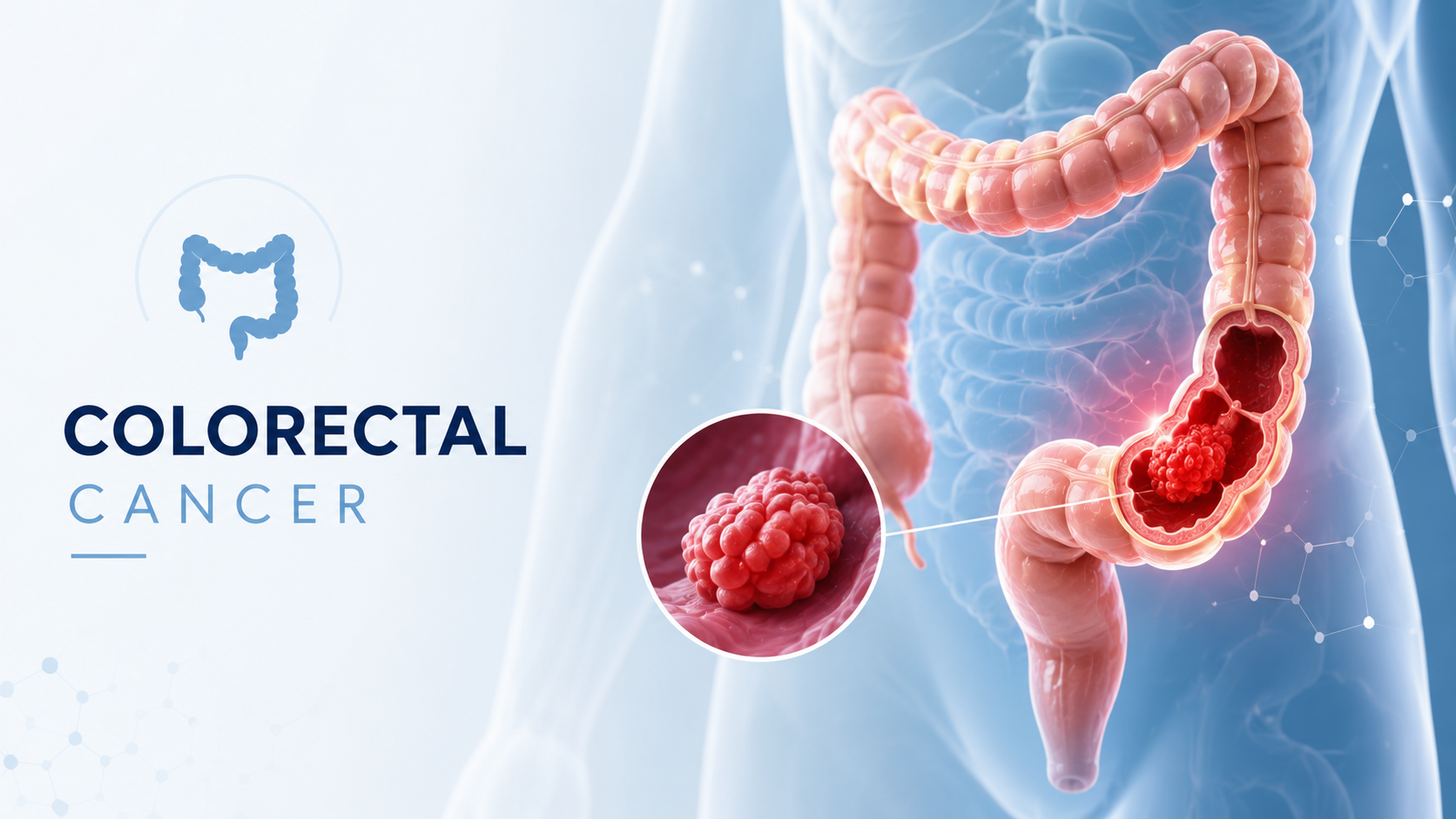
Colorectal cancer
by Dr. Sadir Al Rawi, Director of Surgical Oncology Services Colorectal cancer (CRC), also known as bowel cancer, is the development of cancer from the colon or rectum (parts of the large intestine). It is due to the abnormal growth of cells that have the ability to invade or spread to other parts of the body.]Signs and symptoms may include blood in the stool, a change in bowel movements, weight loss, and feeling tired all the time. Most colorectal cancers are due to old age and lifestyle factors with only a small number of cases due to underlying genetic disorders. Some risk factors include diet, obesity, smoking, and lack of physical activity. Dietary factors that increase the risk include red and processed meat as well as alcohol. Another risk factor is inflammatory bowel disease, which includes Crohn’s disease and ulcerative colitis. Some of the inherited genetic disorders that can cause colorectal cancer include familial adenomatous polyposis and hereditary non-polyposis colon cancer; however, these represent less than 5% of cases. It typically starts as a benign tumor, often in the form of a polyp, which over time becomes cancerous. Bowel cancer may be diagnosed by obtaining a sample of the colon during a sigmoidoscopy or colonoscopy. This is then followed by medical imaging to determine if the disease has spread. Screening is effective for preventing and decreasing deaths from colorectal cancer. Screening is recommended starting from the age of 50 to 75. During colonoscopy, small polyps may be removed if found. If a large polyp or tumor is found, a biopsy may be performed to check if it is cancerous. Aspirin and other non-steroidal anti-inflammatory drugs decrease the risk. Their general use is not recommended for this purpose, however, due to side effects. Treatments used for colorectal cancer may include some combination of surgery, radiation therapy, chemotherapy and targeted therapy. Cancers that are confined within the wall of the colon may be curable with surgery while cancer that has spread widely are usually not curable, with management focusing on improving quality of life and symptoms. Five year survival rates in the United States are around 65%. This, however, depends on how advanced the cancer is, whether or not all the cancer can be removed with surgery, and the person’s overall health. Globally, colorectal cancer is the third most common type of cancer making up about 10% of all cases. In 2012, there were 1.4 million new cases and 694,000 deaths from the disease. It is more common in developed countries, where more than 65% of cases are found. It is less common in women than men.
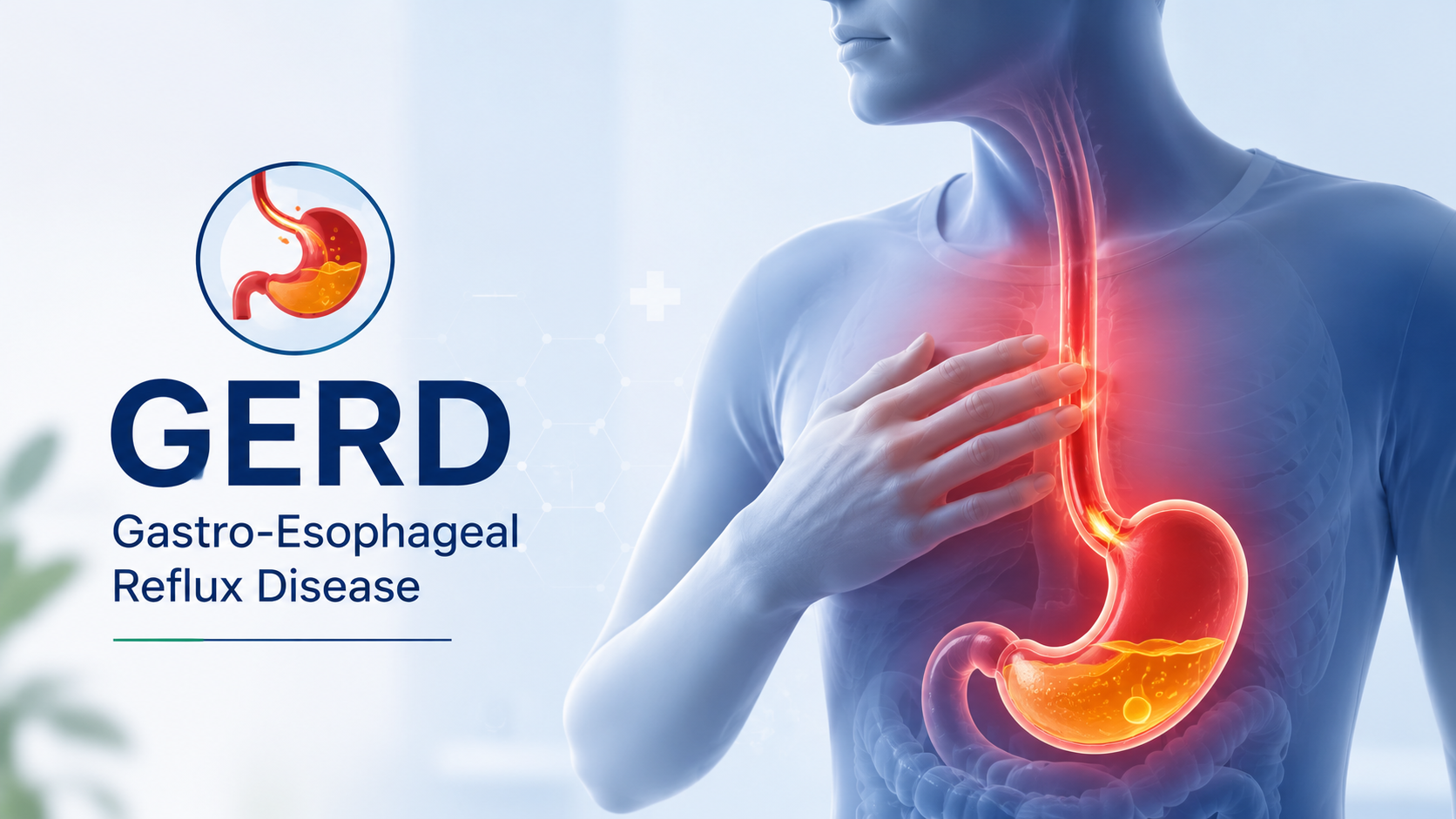
Gastro-Esophageal Reflux disease GERD
by Dr. Ali Aldameh Consultant Foregut Surgeon Lose Weight: Obesity is the leading cause of GERD, Extra stomach fat places pressure on your abdomen, pushing gastric juices up into your esophagus. “Lose weight if you’re overweight, and don’t gain weight if you’re not,”. Eat smaller meals: Large meals fill the stomach and put pressure on the Lower Esophageal Sphincter LES, making reflux and GERD more likely. Don’t lie down after eating: Wait at least three hours before you lie down after a meal. Gravity normally helps keep acid reflux from developing. When you eat a meal and then stretch out for a nap, you’re taking gravity out of the equation. As a result, acid more easily presses against the LES and flows into the esophagus. Elevate your bed: Raising the head of your bed six to eight inches can help gravity keep gastric acid down in your stomach. You could also use a wedge-shaped support. Don’t use extra pillows, as they only raise your head and will not help with GERD. You need your entire upper body elevated to get relief. Review your medications: There are a number of medications that can increase your risk of GERD, either by relaxing the LES, interfering with the digestive process, or further irritating an already inflamed esophagus. These medications include: If you are taking any of these medications, talk to your doctor about switching to another drug that does not have the same effect on the upper digestive tract. However, never stop taking a prescribed medication without first consulting your doctor. Quit smoking: Some studies have found that nicotine can relax the muscles of the LES and can also interfere with your saliva’s ability to clear acid out of the esophagus. Cut back on alcohol: As with smoking, alcohol can cause the LES to relax. Alcohol can also cause the esophageal muscles to spasm. Wear loose-fitting clothes: Do not wear tight clothing or belts that can constrict your stomach. Try a gluten-free diet: At least one study has found that gluten, a protein found in grains like barley, rye, and wheat, may cause or exacerbate GERD symptoms. Try eliminating gluten from your diet and see if it makes a difference. If after trying the above tips, you are still experiencing GERD, see your doctor. There are medications you can take to ease the symptoms of GERD. Or you can ask for surgical consultation to one of our expert team in FOREGUT TASK FORCE
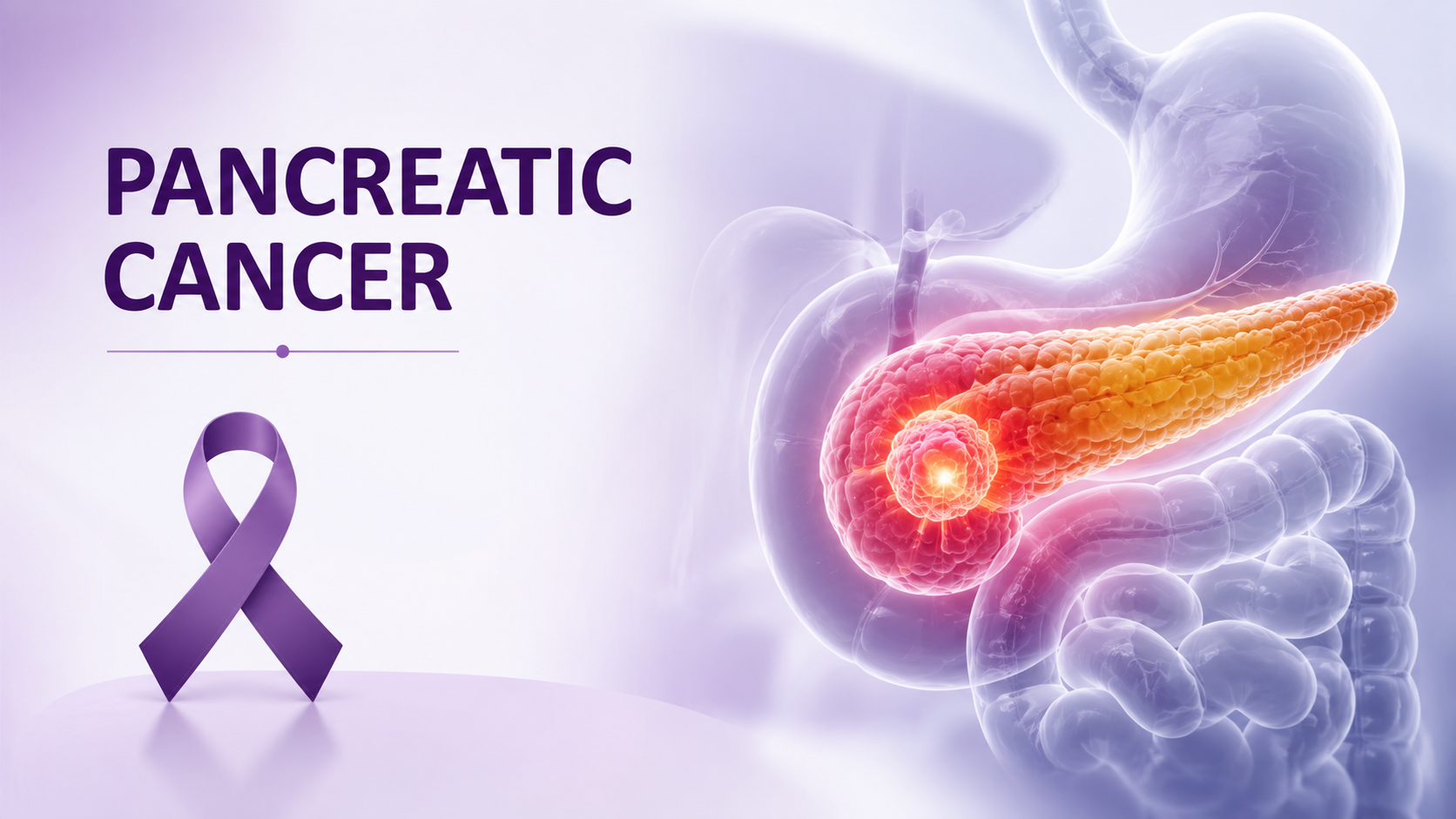
Pancreatic Cancer
Raising pancreatic cancer awareness can be done as an individual or group all year long, but it is especially important during Pancreatic Cancer Awareness Month in November. It is a time of the year when we have the most voices speaking about out pancreatic cancer. World Pancreatic Cancer Day is November 17 One-day campaign aims to raise awareness about only major cancer with five- Pancreatic cancer is the only major cancer with a five-year survival rate in the single digits. Despite advancements in treating other major cancers, there is still no early detection method for pancreatic cancer. Every day, an estimated 1,006 people worldwide are diagnosed with pancreatic cancer, and an estimated 985 die from it. “While we’ve seen continued improvement in survival rates among most major cancers in the past decade, the five-year survival rate for pancreatic cancer has remained unchanged for nearly 50 years,” said Sadir Alrawi, Director of the Surgical Oncology Services @ Alzahra Cancer Center, Dubai. “Global awareness is the first step to demand more research funding and develop better resources to improve patient outcomes.” World Pancreatic Cancer Day organizers are encouraging people to raise awareness and show that we are #InItTogether by doing the following on Nov. 17: According to a global survey, almost 60 percent of people know “almost nothing” about pancreatic cancer. Advocates hope greater awareness will lead to the following: Global awareness will be increased by people joining the World Pancreatic Cancer Day campaign through social media and local activities. To learn more about how you can show the world that we’re in it together to improve outcomes and create a brighter future for those fighting the deadly disease, please visit worldpancreaticcancerday.org. About World Pancreatic Cancer Day World Pancreatic Cancer Day (WPCD), a day dedicated to raising global awareness of pancreatic cancer, occurs in November during Pancreatic Cancer Awareness Month. WPCD is an initiative of the World Pancreatic Cancer Coalition, a committee of patient advocacy organizations from around the world. The goal of WPCD is to drive an online conversation about awareness of the disease and the need for more research and funding to fight it. Contacts Dina Moustafa Abd alster Oncology Navigator of Alzahra Cancer Center Tel: +971 55 101 0169 Email:dina.moustafa@azhd.ae
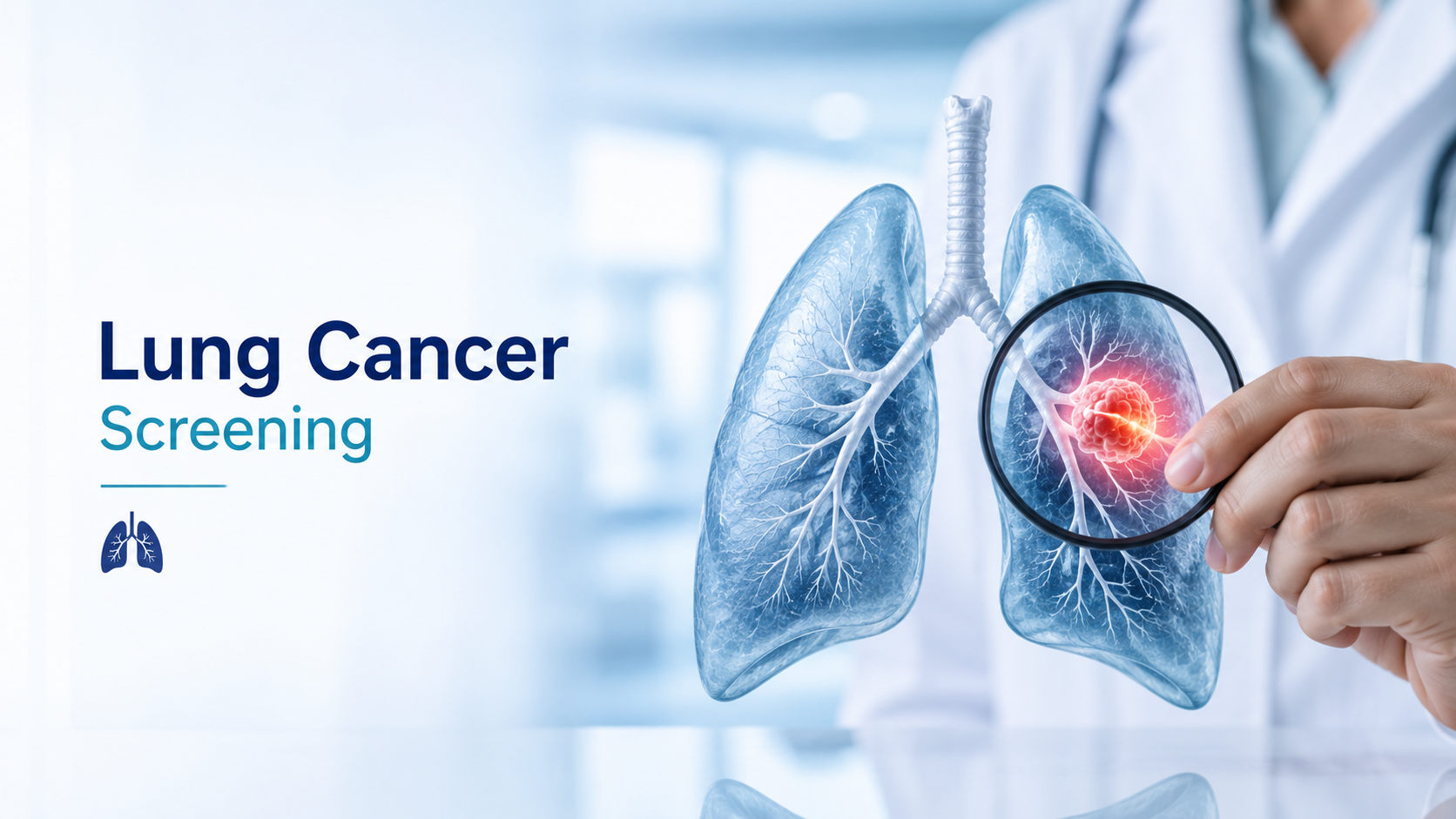
Lung Cancer Screening
Screening is looking for early cancer before a person has any symptoms. This can help findcancer at an early stage. When abnormal tissue or cancer is found early, it may be easier to treat.By the time symptoms appear, cancer may have begun to spread. “People aged 50 years to 74 years who had smoked at least 1 pack of cigarettes per dayfor 30 years or more. Heavy smokers who had quit smoking within the past 15 years arealso encouraged to seek counseling for screening” . Lung cancer screening with low dose CT scans is the only screening test shown to lower thechance of dying from lung cancer. Screening may be bigger if your lung cancer risk is higher.Current evidence does not support chest X-ray or sputum cytology for lung cancer screening.For perspective, the reduction in deaths from lung cancer with CT screening is larger than thereduction in deaths from the target cancers of other common screening tests, such asmammograms for breast cancer. If you choose to have CT screening, it is important to have it done at a medical center with specialexpertise in lung cancer screening and treatment. In Zahra Hospital We offer full counseling forpatients at risk of lung cancer via qualified and experienced team of Thoracic oncologist,surgeons, pulmonologists and radiologists. Health for living with Healthy LungsLungs keep us alive and well and for the most part, we don’t need to think about them. Here aresome ways to keep your lungs healthy. Don’t SmokeCigarette smoking is the major cause of lung cancer and chronic obstructive pulmonary disease(COPD), which includes chronic bronchitis and emphysema. Cigarette smoke can narrow the airpassages and make breathing more difficult. Over time cigarette smoke destroys lung tissue,and may trigger changes that grow into cancer. If you smoke, it’s never too late to benefit fromquitting. Avoid Exposure to Pollutants That Can Damage Your LungsSecondhand smoke, outdoor air pollution, chemicals in the home and workplace, and radon allcan cause or worsen lung disease. Make your home and car smoke free. Prevent InfectionWash your hands often with soap and water. Alcohol-based cleaners are a good substitute ifyou cannot wash. Avoids crowds during the cold and flu season.Get vaccinated every year against influenza. Talk to your healthcare provider to find out if thepneumonia vaccine is right for you.Regular check-ups help prevent diseases, even when you are feeling well. This is especiallytrue for lung disease, which sometimes goes undetected until it is serious. During a check-up,your healthcare provider will listen to your breathing and listen to your concerns. ExerciseAerobic exercise helps improve your lung capacity. Specific breathing exercises can also helpimprove your lung function. Exercise and breathing techniques are also great for improving yourmood and helping you relax.
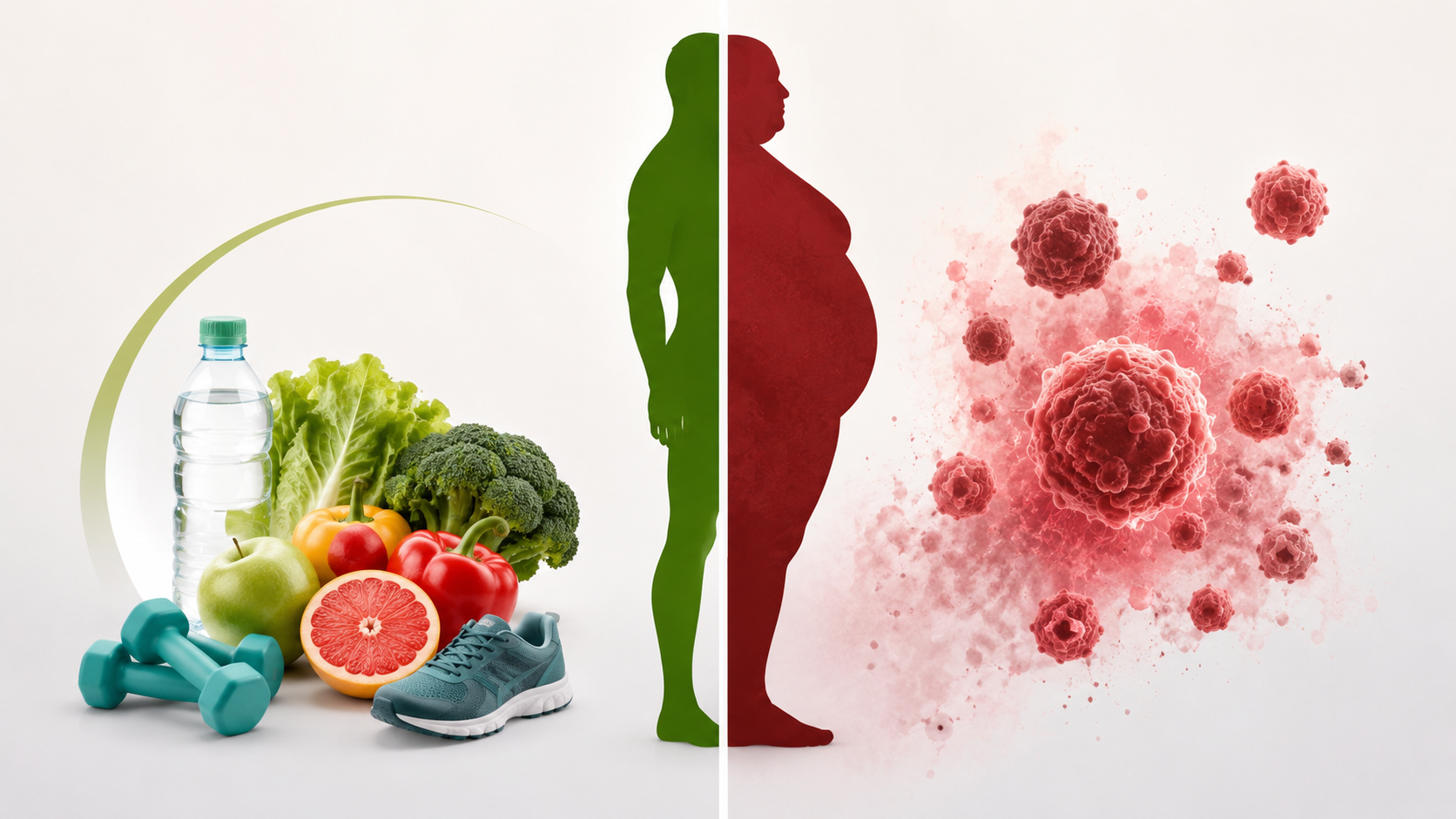
Obesity ( overweight ) and Cancer Risk
What is known about the relationship between obesity and cancer?Obesity is associated with increased risks of the following cancer types, and possibly others aswell:EsophagusPancreasColon and rectumBreast (after menopause)Endometrium (lining of the uterus)KidneyThyroidGallbladderOne study, using NCI Surveillance, Epidemiology, and End Results (SEER) data, estimated thatin 2007 in the United States, about 34,000 new cases of cancer in men (4 percent) and 50,500in women (7 percent) were due to obesity. The percentage of cases attributed to obesity variedwidely for different cancer types but was as high as 40 percent for some cancers, particularlyendometrial cancer and esophageal adenocarcinoma.A projection of the future health and economic burden of obesity in 2030 estimated thatcontinuation of existing trends in obesity will lead to about 500,000 additional cases of cancer inthe United States by 2030. This analysis also found that if every adult reduced their BMI by 1percent, which would be equivalent to a weight loss of roughly 1 kg (or 2.2 lbs) for an adult ofaverage weight, this would prevent the increase in the number of cancer cases and actuallyresult in the avoidance of about 100,000 new cases of cancer.Several possible mechanisms have been suggested to explain the association of obesity withincreased risk of certain cancers:Fat tissue produces excess amounts of estrogen, high levels of which have been associatedwith the risk of breast, endometrial, and some other cancers.Obese people often have increased levels of insulin and insulin-like growth factor-1 (IGF-1) intheir blood (a condition known as hyperinsulinemia or insulin resistance), which may promotethe development of certain tumors.Fat cells produce hormones, called adipokines, that may stimulate or inhibit cell growth. Forexample, leptin, which is more abundant in obese people, seems to promote cell proliferation,whereas adiponectin, which is less abundant in obese people, may have antiproliferativeeffects.Other possible mechanisms include altered immune responses, effects on the nuclear factorkappa beta system, and oxidative stress.In Zahara hospital we are dedicated to our battle against cancer, patients who are overweightand interested in counseling for weight loss solutions can arrange an appointment in ourForegut & onco-bariatric clinic for risk assessment and counseling.
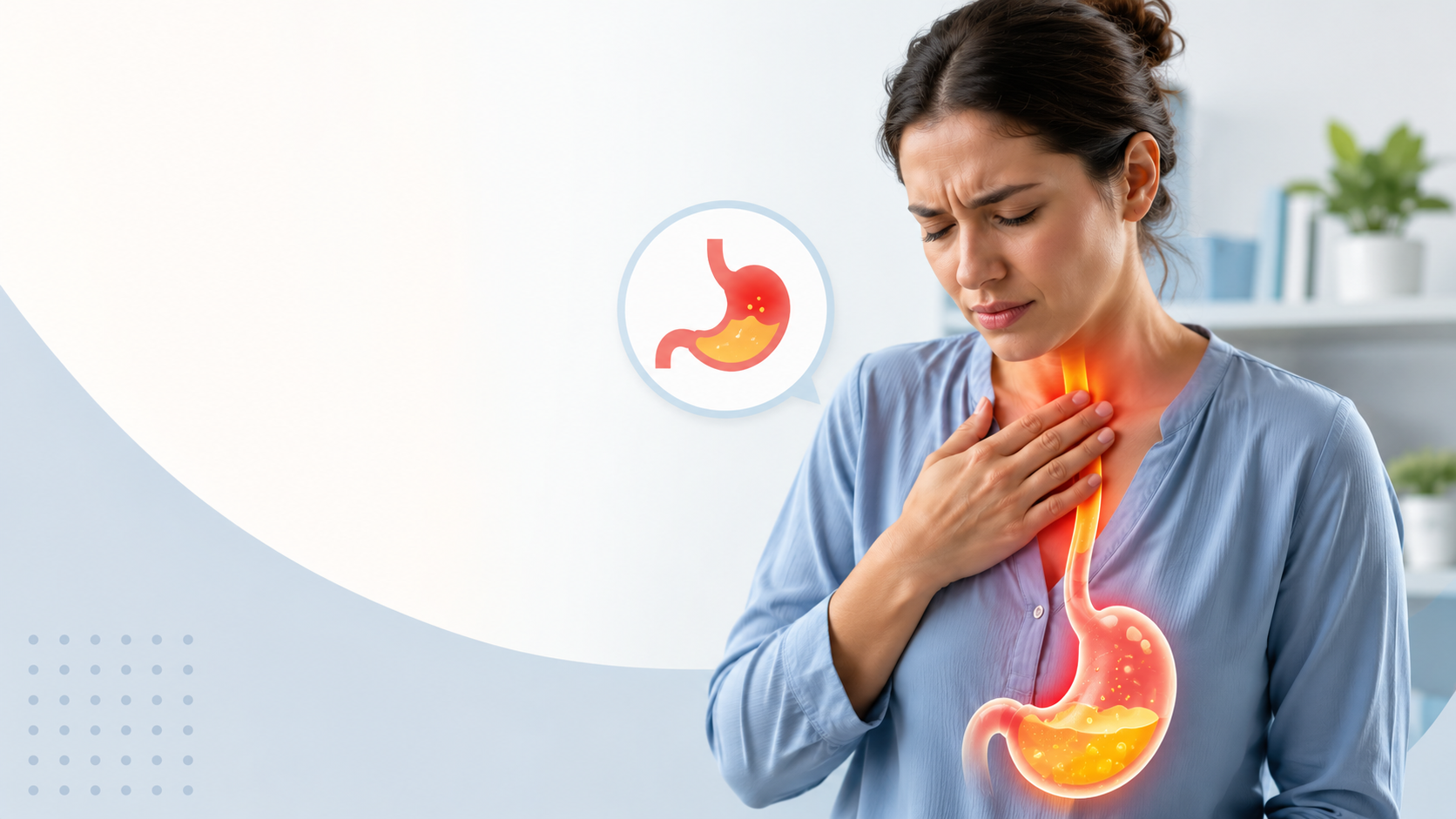
Heartburn: when to see your doctor
by Ali Aldameh, Consultant Thoracic Surgical Oncology For many people suffering from heartburn, watching what they eat, over-the-counter medications, and stress reduction can bring relief. But when symptoms don’t improve and start to interfere with sleep or daily life, it is time to get your doctor’s help. Your doctor will ask detailed questions about the nature and pattern of your pain. Is it worse after you eat a heavy meal or eat certain food, such as high-fat foods or dairy products? Does bending over to tie your shoelaces or lying down aggravate the symptoms? Does the pain seem linked to anxiety or stress? If your symptoms are typical for gastroesophageal reflux (GERD, or simply, reflux), the first step is usually to try a medication such as omeprazole (Prilosec) or lansoprazole (Prevacid). If symptoms improve, you can switch to a less powerful medication. That might be an H2-receptor antagonist (H2 blocker) such as cimetidine (Tagamet), ranitidine (Zantac), or famotidine (Pepcid), or an antacid like Tums. If, however, medication doesn’t seem to help, your doctor might suggest some tests to confirm reflux or rule out other possible causes for your symptoms. Be aware that reflux symptoms can be similar to heart attack symptoms. If what you feel is more like a constriction or pressure rather than burning, call your doctor. Even if you know you have reflux, always seek medical attention if you experience chest discomfort brought on by exercise. Pay attention to the severity and length of your chest pain. Severe, pressing, or squeezing discomfort, especially if it lasts a while, also warrants a call to your doctor.
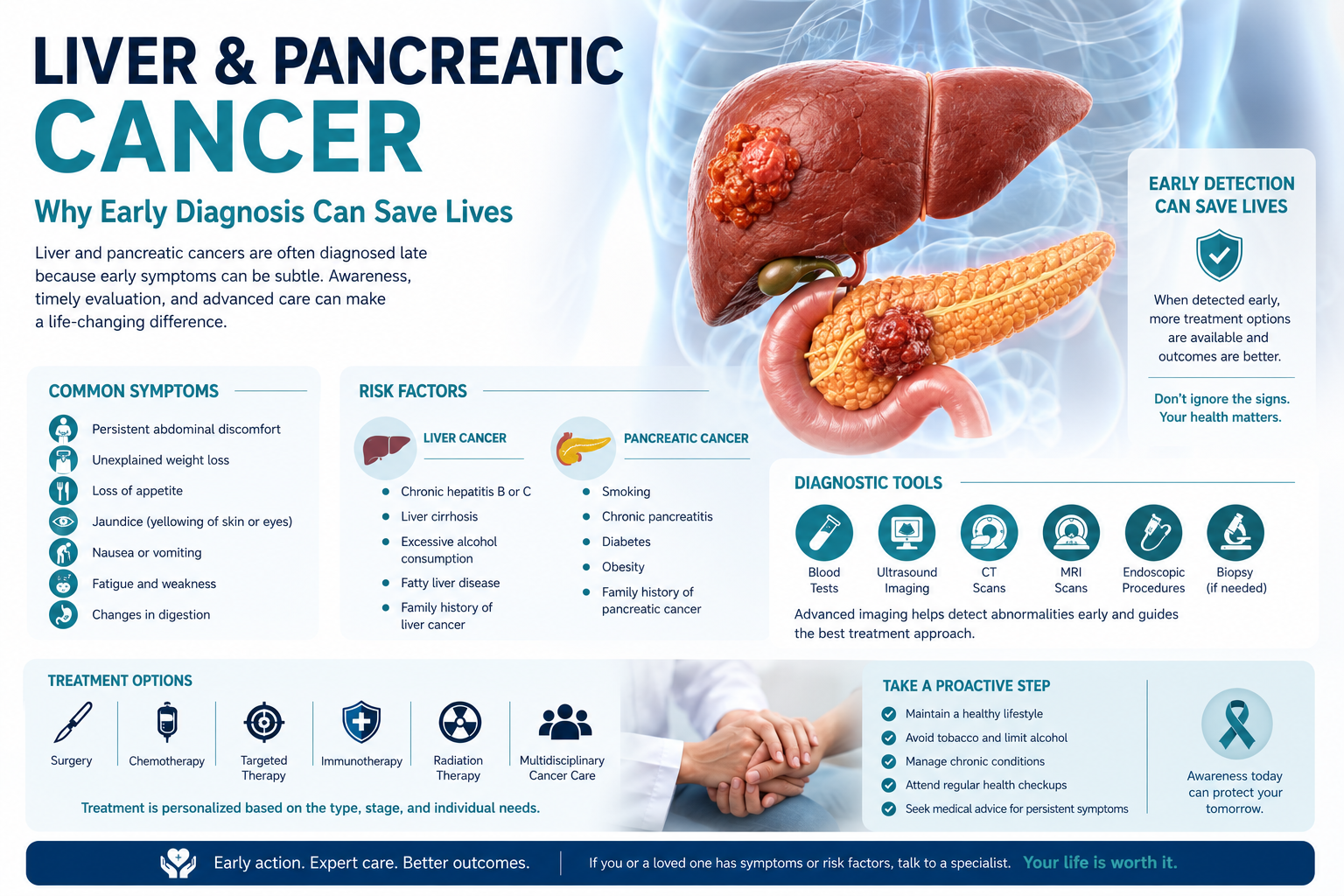
Liver and Pancreatic Cancer: Why Early Diagnosis Can Save Lives
In a recent educational video, Dr. Sadir Juma Alrawi discusses an important health topic that often goes unnoticed until symptoms become severe—liver and pancreatic cancer.
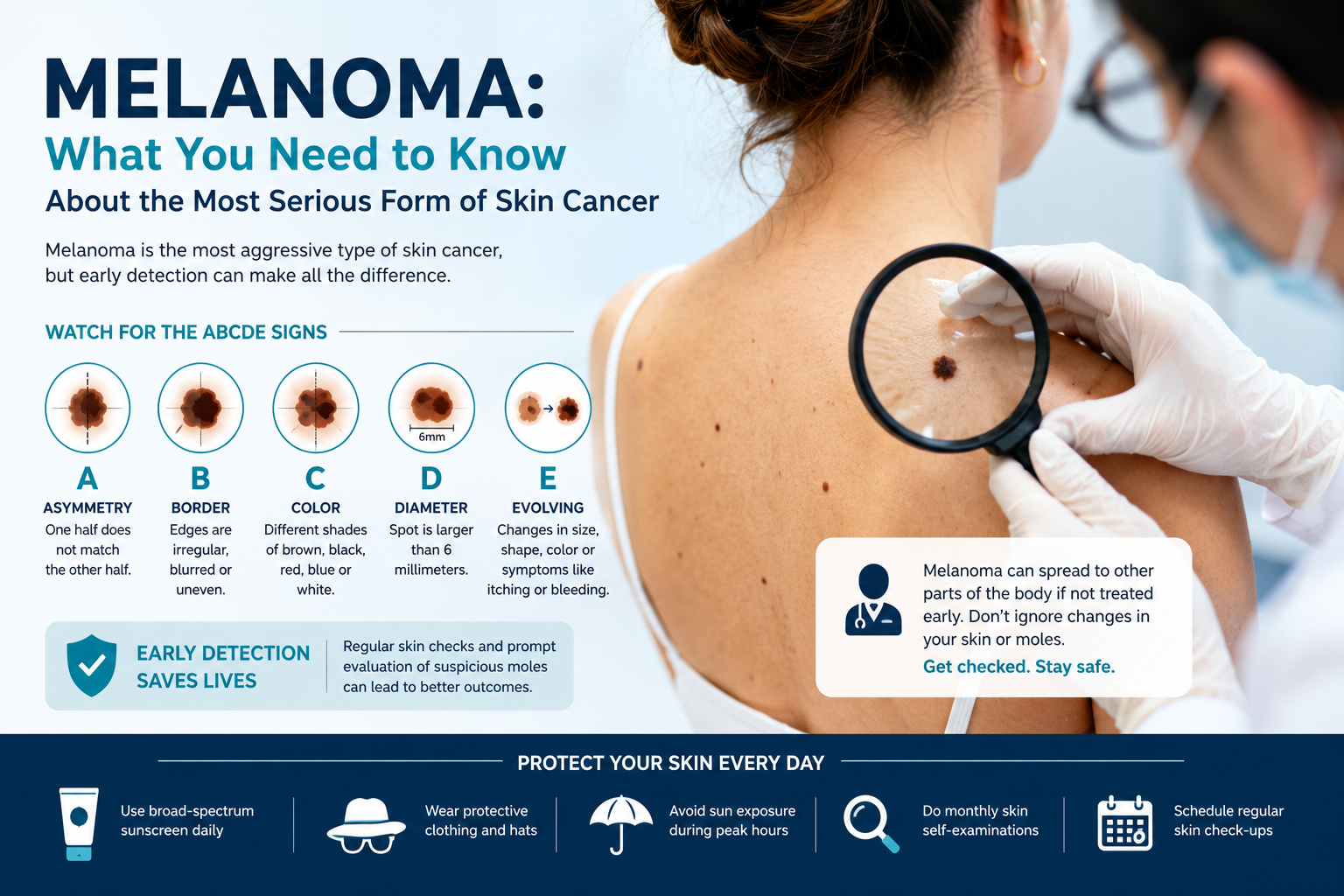
Melanoma: What You Need to Know About the Most Serious Form of Skin Cancer
Skin cancer is one of the most common cancers worldwide, but not all skin cancers are the same. In a recent educational video, Dr. Sadir Juma Alrawi discusses melanoma and explains why awareness, early detection, and timely treatment are essential.
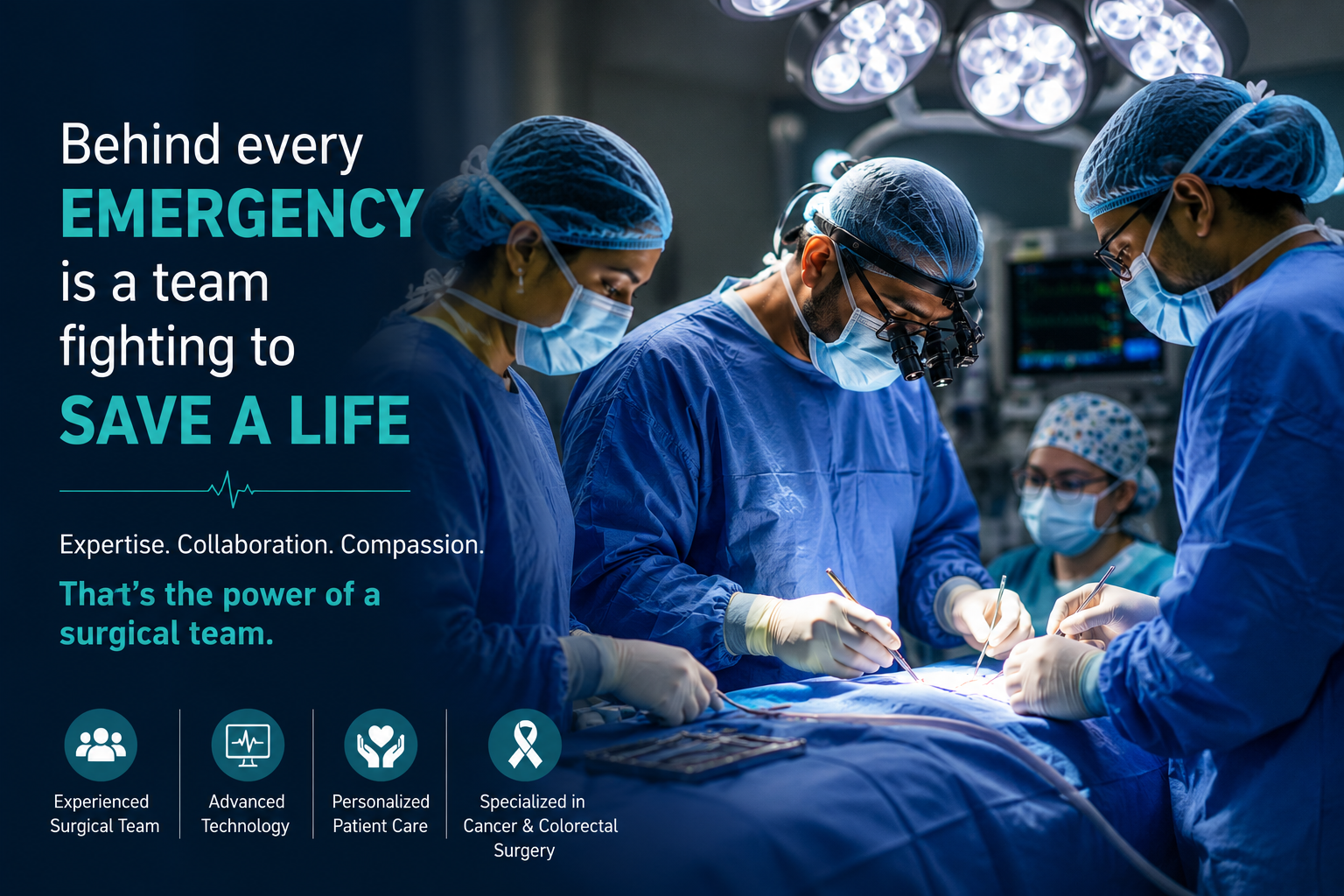
Behind Every Emergency: The Teamwork That Saves Lives
Medical emergencies often arrive without warning. Whether it is a sudden complication, severe internal bleeding, bowel obstruction, or an urgent cancer-related condition, rapid action can make the difference between life and death.
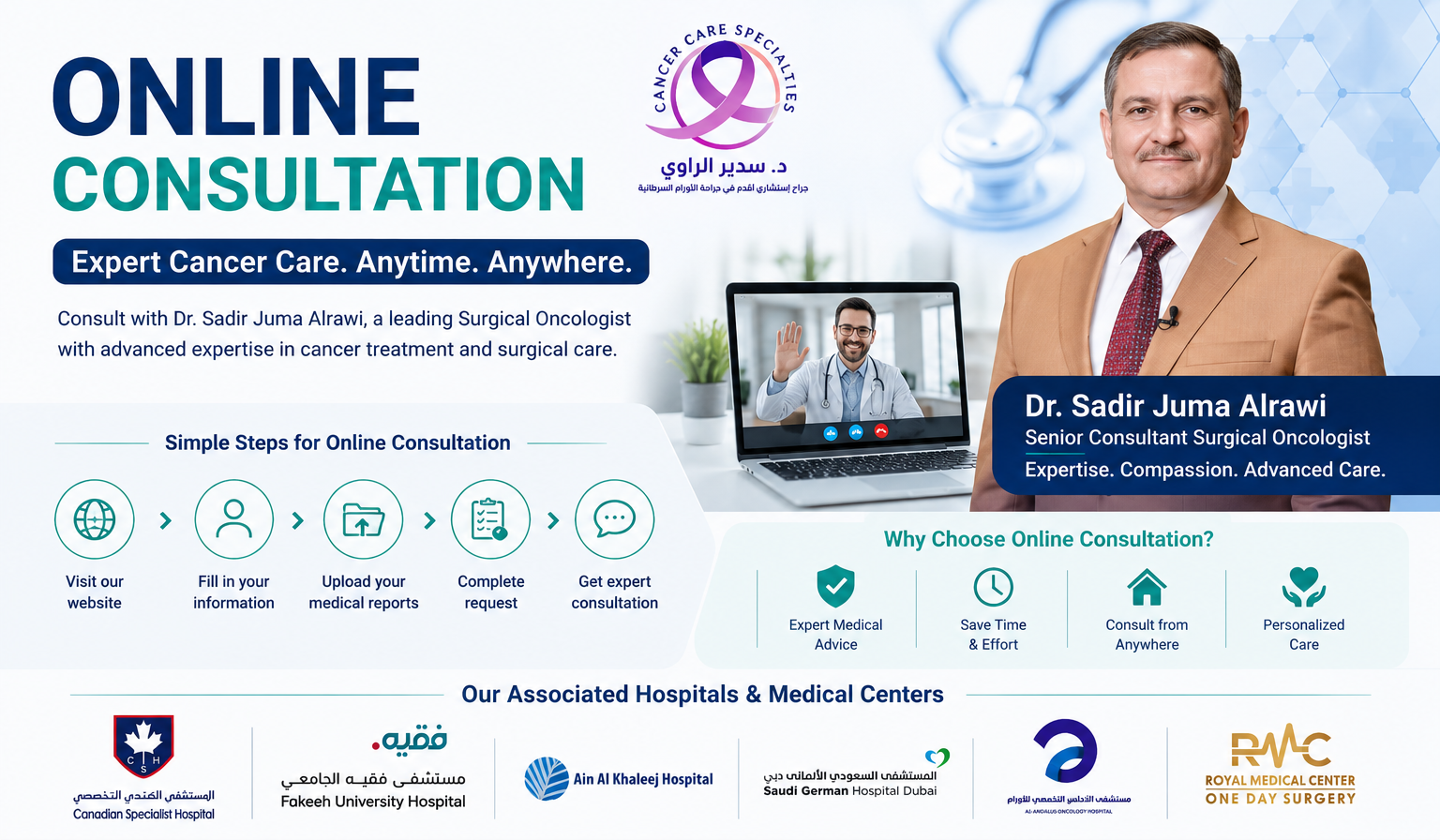
Online Consultation with Dr. Sadir Juma Alrawi
Expert Cancer Care from the Comfort of Your Home Online consultation services are transforming the way patients receive medical care, especially for cancer treatment and surgical oncology. Dr. Sadir Juma Alrawi offers professional online consultation services for patients seeking expert advice, second opinions, treatment planning, and follow-up care from anywhere in the UAE and the Middle East. With advanced digital healthcare support, patients can now connect with experienced cancer specialists without the need for immediate hospital visits. Simple and Convenient Online Consultation The online consultation process is designed to be simple, fast, and patient-friendly. As highlighted in the consultation information, patients can easily complete the process in a few simple steps: This service helps patients save time while receiving trusted medical advice from experienced oncology specialists. Associated Hospitals and Medical Centers Dr. Sadir Juma Alrawi collaborates with several leading hospitals and healthcare institutions across the UAE and the Middle East. The images highlight affiliations and collaborations with: These partnerships ensure that patients receive comprehensive and multidisciplinary cancer care support when needed. Personalized Cancer Consultation Online consultation is especially valuable for patients seeking guidance for: Patients can discuss their medical concerns directly with Dr. Sadir Juma Alrawi and receive personalized recommendations based on their condition and reports. Trusted Cancer Care Support Cancer Care Specialties Satellite Middle East continues to provide accessible and compassionate healthcare services through modern digital consultation systems. Online consultation helps patients stay connected with expert care while reducing unnecessary travel and waiting time. With professional guidance, advanced oncology expertise, and patient-centered care, Dr. Sadir Juma Alrawi remains committed to supporting patients through every stage of their healthcare journey.