
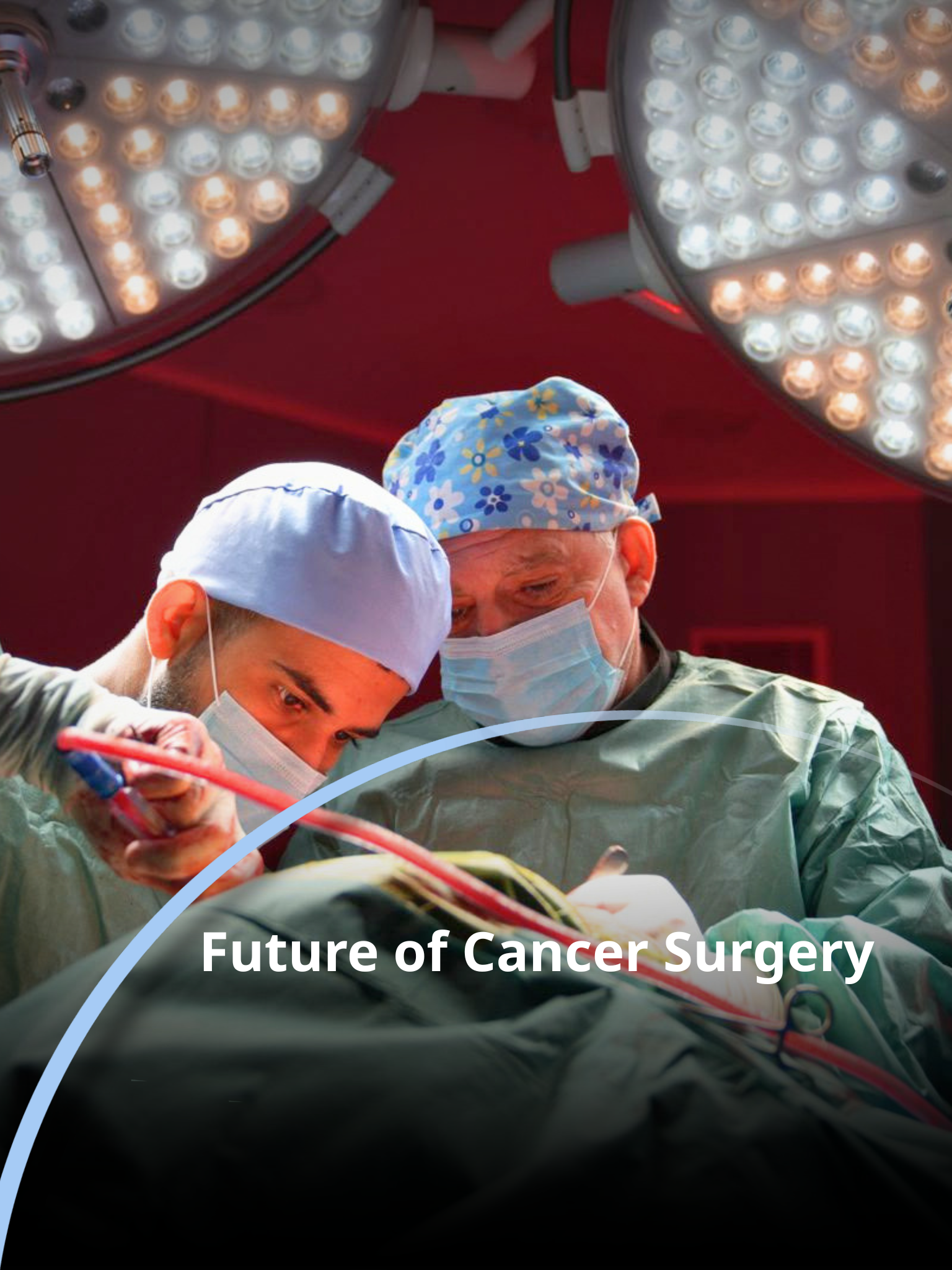
Cancer surgery has changed significantly over the past few decades. What once involved large incisions and long recovery periods has evolved into highly advanced procedures that are safer, more precise, and focused on faster healing. As medical technology continues to improve, the future of cancer surgery is offering new hope to patients through innovative techniques and personalized treatment.
At Cancer Care Specialties, the focus is on combining surgical expertise with modern technology to provide high quality cancer care. Every treatment plan is carefully designed to meet the individual needs of each patient while achieving the best possible outcomes.
Advancements in Modern Cancer Surgery
Today’s cancer surgery is more accurate than ever before. Advanced imaging systems, high precision surgical instruments, and minimally invasive techniques allow surgeons to remove tumors while protecting healthy tissues.
These innovations help improve surgical accuracy and reduce the physical impact of treatment on patients. As a result, many patients experience a smoother recovery and can return to their normal activities sooner.
The Growing Role of Minimally Invasive Surgery
One of the biggest developments in cancer treatment is the increased use of minimally invasive surgery. Instead of large surgical openings, specialists perform procedures using small incisions and specialized instruments.
Some of the benefits include:
- Smaller scars
- Less pain after surgery
- Reduced blood loss
- Lower risk of infection
- Shorter hospital stays
- Faster recovery
Whenever appropriate, minimally invasive surgery can provide excellent treatment results while improving the overall patient experience.
Personalized Treatment for Every Patient
No two cancer cases are exactly alike. The future of cancer surgery is focused on personalized treatment, where every patient’s diagnosis, medical history, and overall health are carefully evaluated before planning surgery.
Specialists work together to determine the most suitable treatment approach. In some cases, surgery may be combined with chemotherapy, immunotherapy, targeted therapy, or radiation therapy to achieve the best possible outcome.
This individualized approach allows patients to receive treatment that is tailored specifically to their condition.
Teamwork Leads to Better Outcomes
Successful cancer surgery depends on more than the surgeon alone. A multidisciplinary team including surgical oncologists, medical oncologists, radiologists, pathologists, anesthesiologists, and specialized nurses work together throughout the treatment process.
This collaborative approach ensures that every patient receives comprehensive care from diagnosis through recovery. Regular case discussions help the team make informed decisions that support the best possible results.
Recovery Is an Important Part of Treatment
Advances in surgery have also improved recovery after treatment. Enhanced recovery programs focus on reducing discomfort, encouraging early movement, providing nutritional support, and monitoring patients closely after surgery.
Patients receive detailed guidance before and after their procedure, helping them recover safely while returning to their daily lives as quickly as possible.
Follow up appointments remain an important part of long term care, allowing doctors to monitor healing and overall health.
Looking Ahead
The future of cancer surgery continues to evolve through ongoing research, improved surgical techniques, and advanced medical technology. New innovations are making treatment safer, more effective, and less invasive than ever before.
As these developments continue, patients can expect even better treatment options that focus not only on removing cancer but also on preserving quality of life.
Conclusion
Modern cancer surgery is transforming the way patients receive treatment. Through advanced technology, minimally invasive procedures, personalized treatment plans, and multidisciplinary care, patients now have access to safer and more effective surgical options. At Cancer Care Specialties, experienced specialists remain committed to delivering advanced cancer care with compassion, precision, and a patient centered approach, helping every individual move toward recovery with confidence.
FAQs
1. What is modern cancer surgery?
Modern cancer surgery uses advanced technology and specialized techniques to remove cancer while preserving as much healthy tissue as possible. Many procedures are now performed using minimally invasive methods that support faster recovery.
2. What are the benefits of minimally invasive cancer surgery?
Minimally invasive surgery offers smaller incisions, less pain, reduced blood loss, lower infection risk, shorter hospital stays, and a quicker return to everyday activities when compared with traditional surgery.
3. Is surgery the only treatment for cancer?
No. Depending on the type and stage of cancer, surgery may be combined with chemotherapy, radiation therapy, immunotherapy, targeted therapy, or other treatments to provide the best possible outcome.
4. Why is a multidisciplinary team important in cancer surgery?
A multidisciplinary team brings together specialists from different fields who collaborate to develop personalized treatment plans, ensuring patients receive comprehensive care throughout their cancer journey.
5. How has technology improved cancer surgery?
Advances such as high precision imaging, minimally invasive techniques, improved surgical instruments, and enhanced recovery programs have made cancer surgery safer, more accurate, and more effective while improving patient comfort and recovery.