
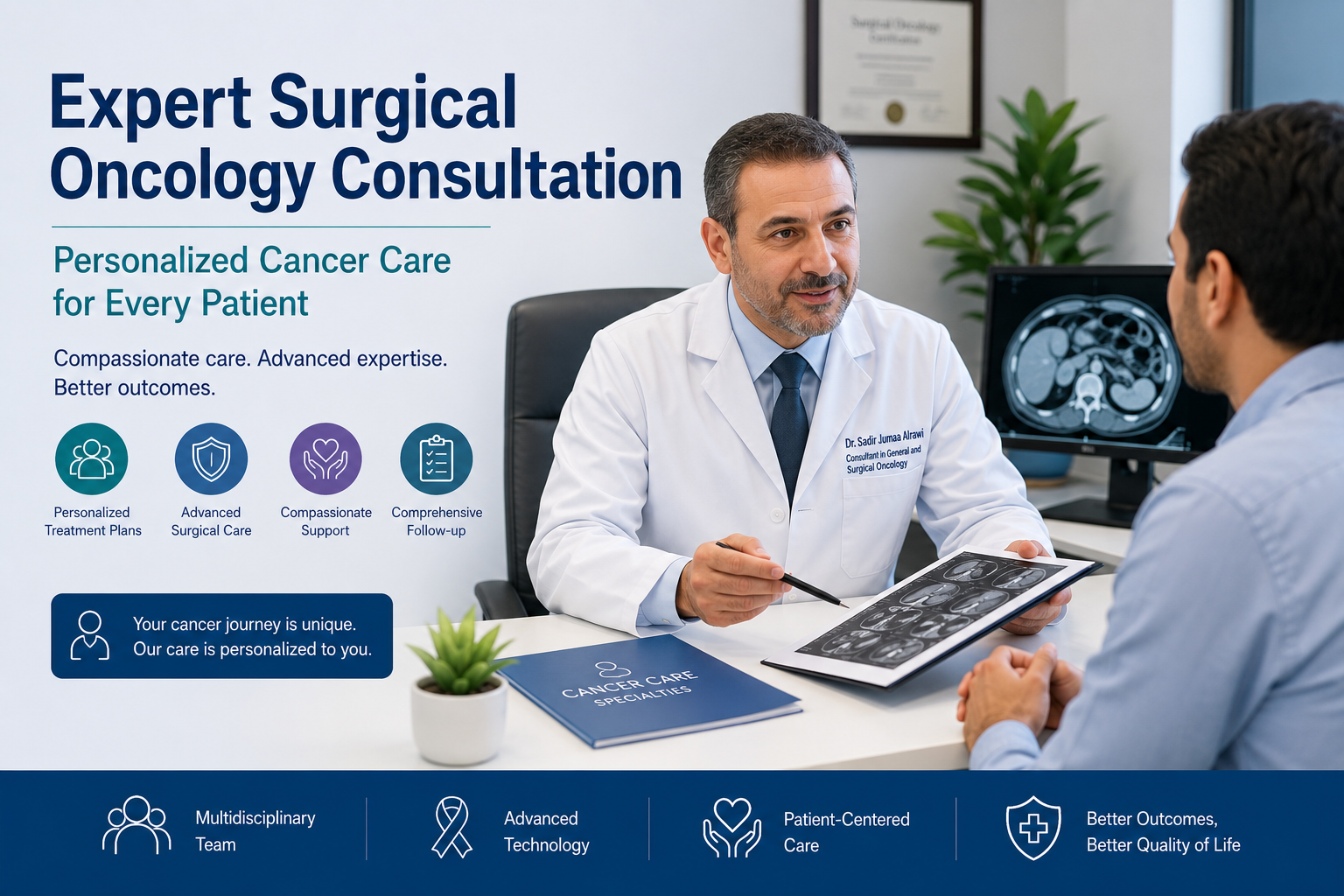
Expert Surgical Oncology Consultation: Personalized Cancer Care for Every Patient
The featured video highlights a consultation setting with Dr. Sadir Jumaa Alrawi, Consultant in General and Surgical Oncology and Head & Neck Surgery.

Comprehensive Cancer Care: Supporting Patients Through Every Step of Their Journey
A cancer diagnosis can bring many questions, emotions, and challenges for patients and their families. During such times, access to expert medical care, advanced treatment options, and compassionate support becomes extremely important.
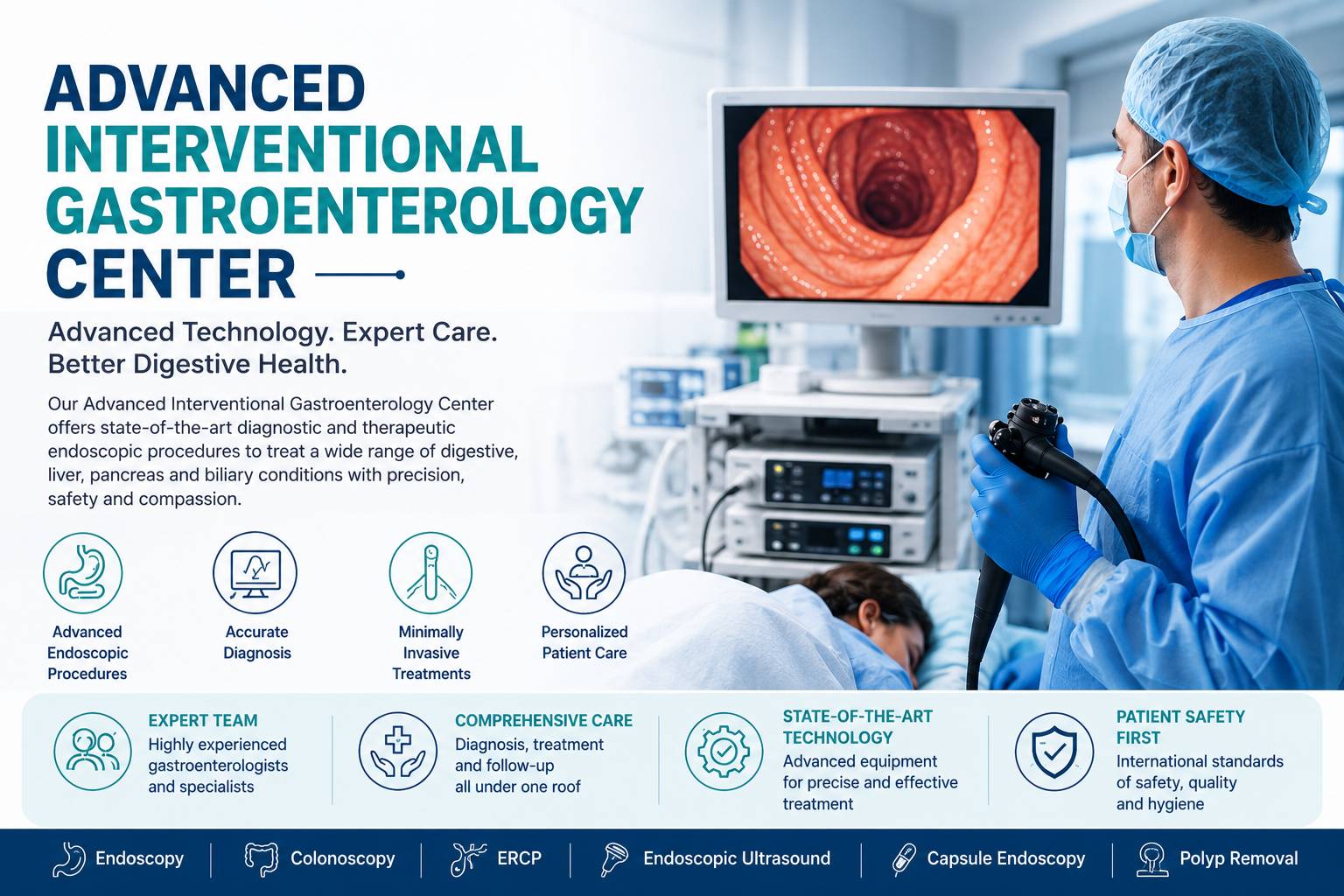
Advanced Interventional Gastroenterology: Modern Solutions for Better Digestive Health
Digestive disorders can affect every aspect of daily life, from eating comfortably to maintaining overall health. While many gastrointestinal conditions can be managed with medication, some require advanced diagnostic and therapeutic procedures for accurate diagnosis and effective treatment
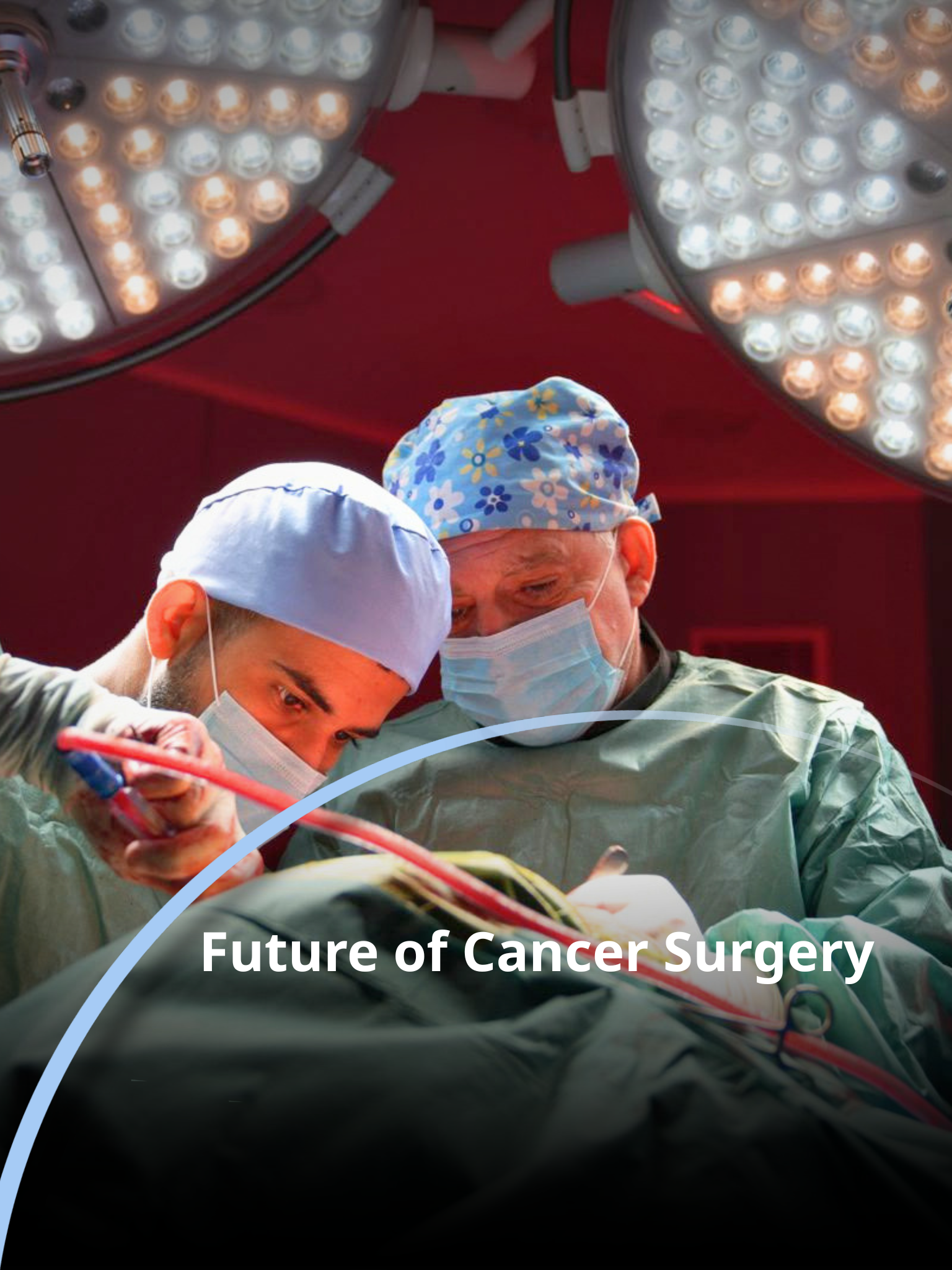
The Future of Cancer Surgery: How Innovation Is Improving Patient Care
Cancer surgery has changed significantly over the past few decades. What once involved large incisions and long recovery periods has evolved into highly advanced procedures that are safer, more precise, and focused on faster healing.
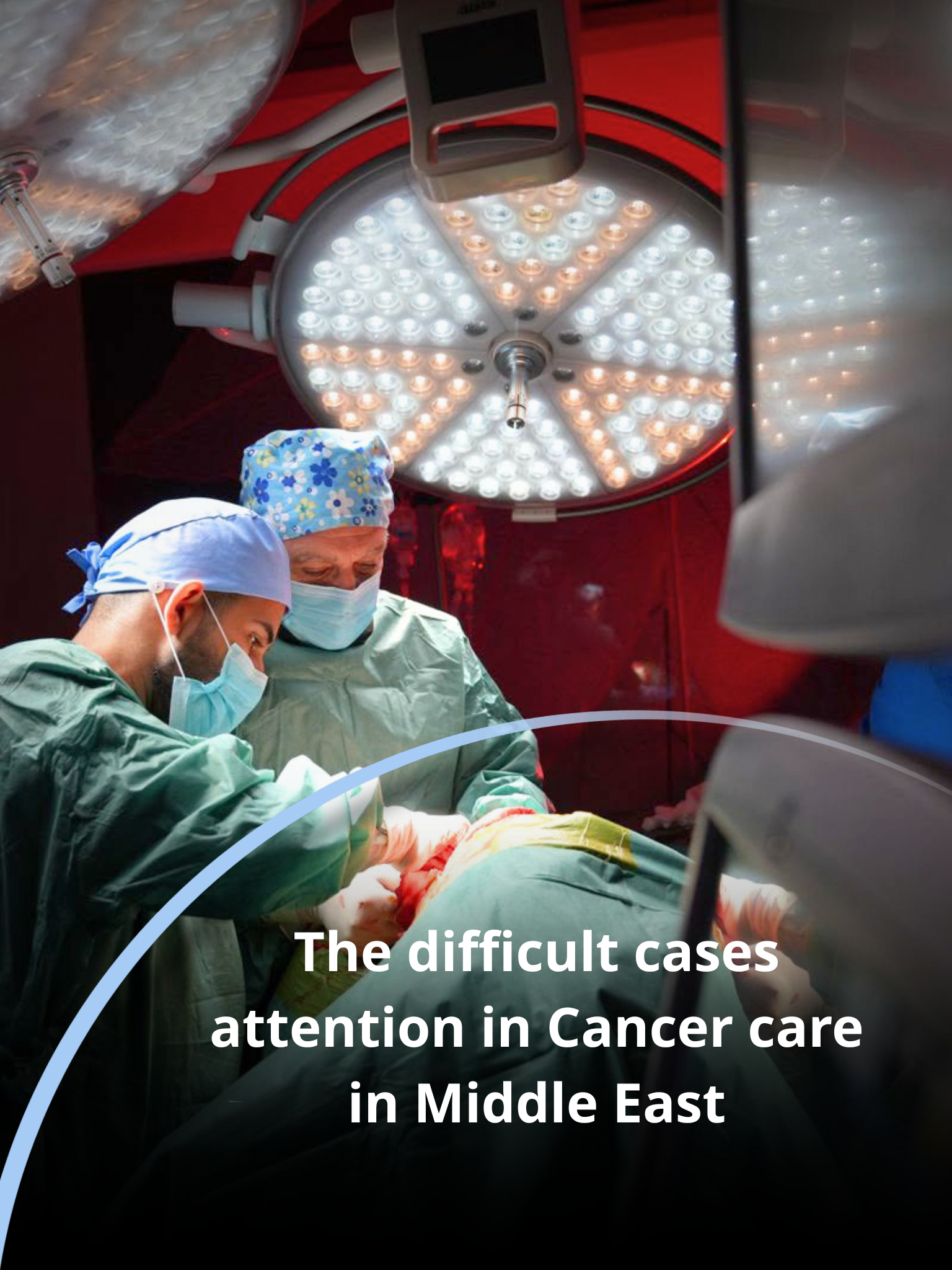
Managing Complex Cancer Cases in the Middle East with Expert Multidisciplinary Care
Treating cancer is never simple, especially when patients are diagnosed with advanced or complex conditions. These cases often require more than one treatment approach and the expertise of specialists from different medical fields.
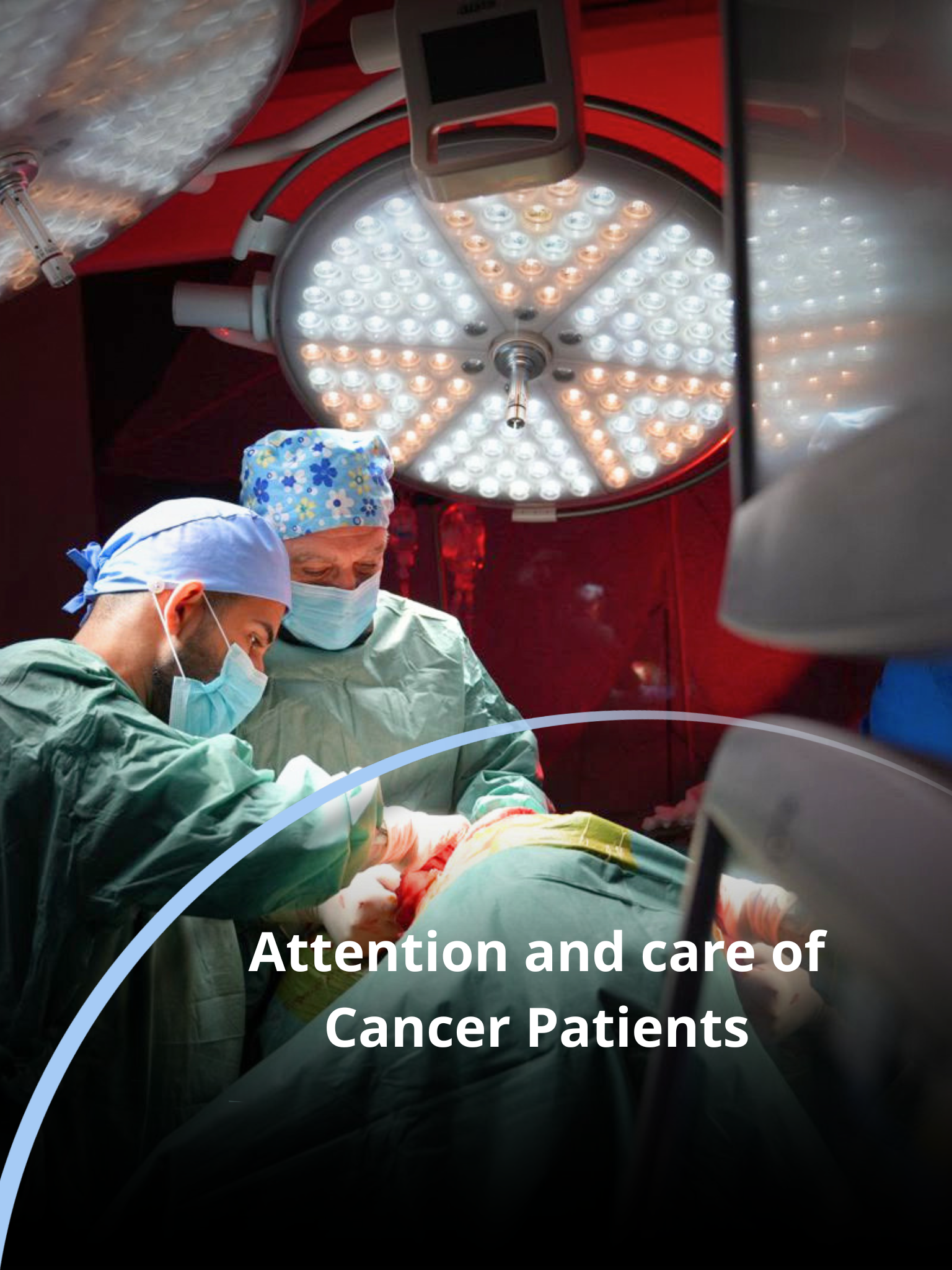
Attention and Care for Cancer Patients: Every Step Matters
Cancer treatment is about much more than medicine. It is about providing patients with the attention, compassion, and expert care they need throughout every stage of their journey
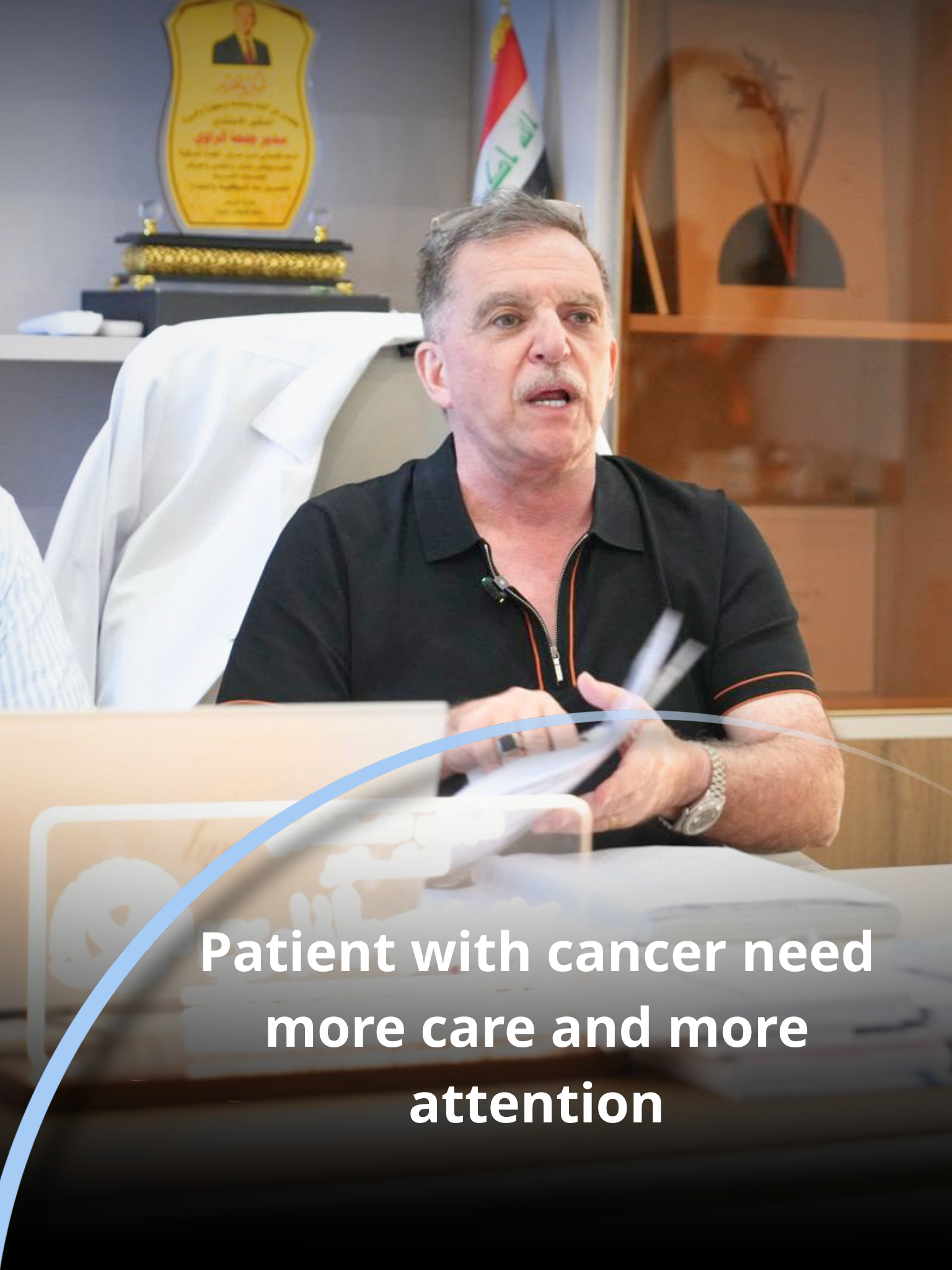
Patient-Centered Cancer Care: Why Compassion Matters Throughout the Treatment Journey
A cancer diagnosis changes life in many ways. Along with medical treatment, patients need emotional support, clear communication, and compassionate care to help them face every stage of their journey

Why Specialized Thoracic Oncology Care Matters for Better Cancer Treatment
Cancer affecting the chest area requires timely diagnosis and expert medical care. Diseases involving the lungs, esophagus, chest wall, and surrounding organs can become serious if they are not treated early.
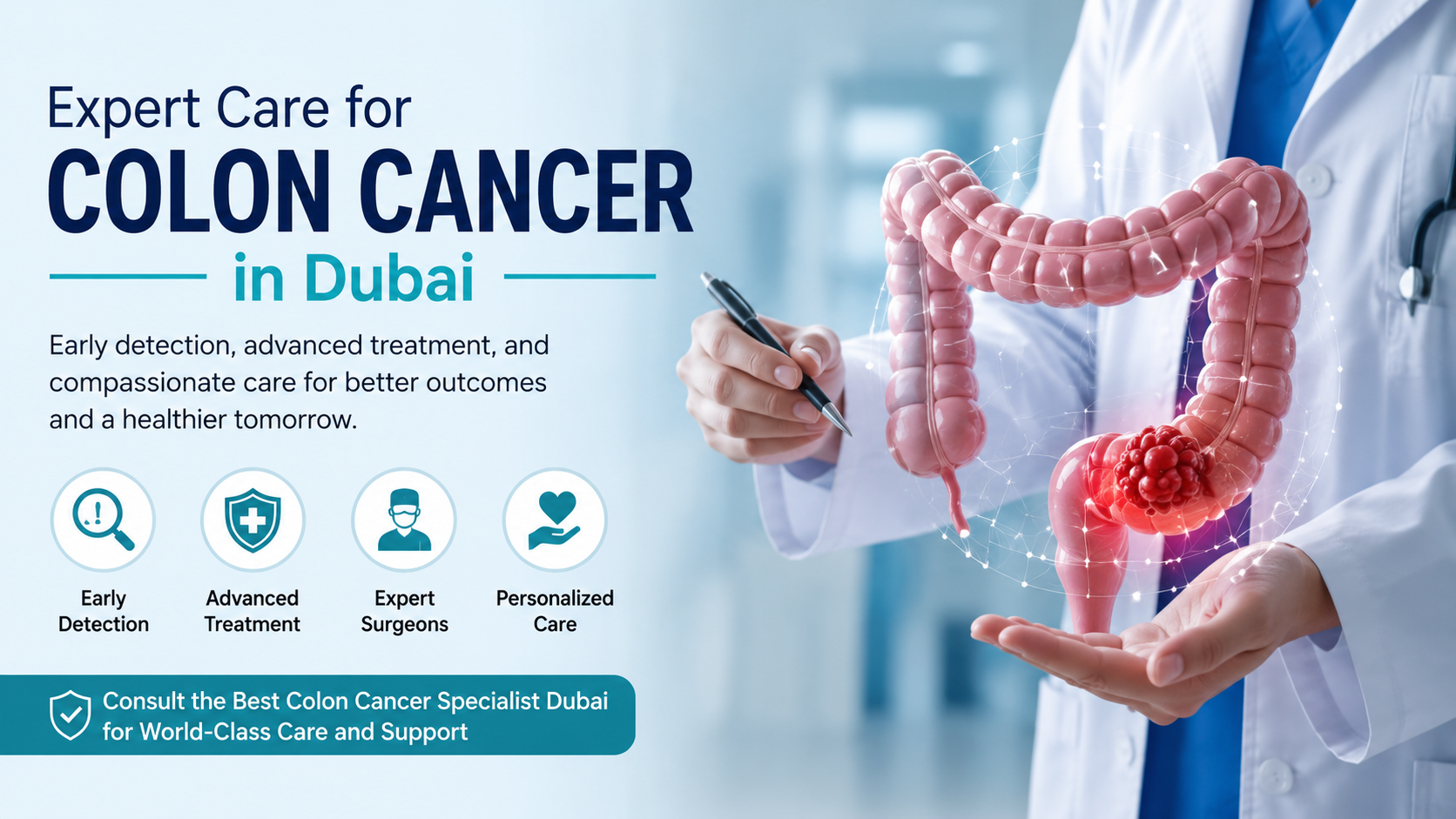
Understanding Colon Cancer Dubai : The Importance of Early Diagnosis and Expert Care
Colon cancer is one of the most common cancers affecting people worldwide. The good news is that when detected early, treatment can be highly effective. Awareness of symptoms, regular screening, and access to expert medical care play a major role in improving outcomes for patients facing Colon Cancer in Dubai. The colon, also known as the large intestine, is an important part of the digestive system. Cancer develops when abnormal cells begin to grow uncontrollably in the lining of the colon. In many cases, the disease starts as small growths called polyps, which may become cancerous over time if left untreated. Common Symptoms of Colon Cancer Many people with colon cancer may not notice symptoms in the early stages. As the condition progresses, some warning signs may appear, including: If any of these symptoms continue for several weeks, it is important to consult a Colon Cancer Specialist Dubai for proper evaluation. Why Early Detection Matters Early diagnosis significantly increases the chances of successful treatment. Regular screening tests such as colonoscopy can help identify precancerous polyps before they develop into cancer. Screening is especially important for people over the age of 45 or those with a family history of colorectal cancer. Healthcare providers offering Colon Cancer Treatment Dubai focus on early detection strategies to improve patient outcomes and reduce the need for more extensive treatment. Treatment Options for Colon Cancer The treatment plan depends on the stage of the disease, the location of the tumor, and the overall health of the patient. Common treatment options include surgery, chemotherapy, targeted therapy, and radiation therapy. For many patients, Colon Cancer Surgery Dubai remains one of the most effective treatment methods. Surgery aims to remove the cancerous section of the colon while preserving as much healthy tissue as possible. Advances in minimally invasive techniques have made recovery faster and more comfortable for many patients. Patients diagnosed with Colorectal Cancer Dubai often benefit from a multidisciplinary approach involving surgeons, oncologists, radiologists, and specialized nursing teams working together to provide comprehensive care. Choosing the Right Specialist Selecting an experienced surgeon can make a significant difference in treatment outcomes. Patients often look for the Best Colon Cancer Surgeon Dubai to ensure they receive expert care, accurate diagnosis, and advanced surgical treatment options. An experienced specialist can guide patients through every step of the treatment journey while helping them make informed decisions about their care. Conclusion Awareness, early diagnosis, and expert treatment are key factors in managing Colon Cancer in Dubai successfully. Whether through screening, advanced Colon Cancer Treatment Dubai, or specialized Colon Cancer Surgery Dubai, patients today have access to effective treatment options that can improve both survival rates and quality of life. If you notice persistent digestive symptoms or are due for a screening, seeking advice from a qualified Colon Cancer Specialist Dubai can be an important step toward protecting your health. FAQs 1. What are the early signs of colon cancer? Common early signs include changes in bowel habits, blood in the stool, abdominal discomfort, fatigue, and unexplained weight loss. 2. When should I get screened for colon cancer? Most adults should begin screening at age 45, or earlier if they have a family history or other risk factors. 3. Is surgery always required for colon cancer? Not always. Treatment depends on the stage of the disease, but Colon Cancer Surgery Dubai is often recommended for localized tumors. 4. What is the difference between colon cancer and colorectal cancer? Colon cancer affects the large intestine, while colorectal cancer includes cancers of both the colon and rectum. 5. How do I choose the right colon cancer specialist? Look for an experienced Colon Cancer Specialist Dubai with expertise in diagnosis, treatment planning, and advanced surgical techniques.
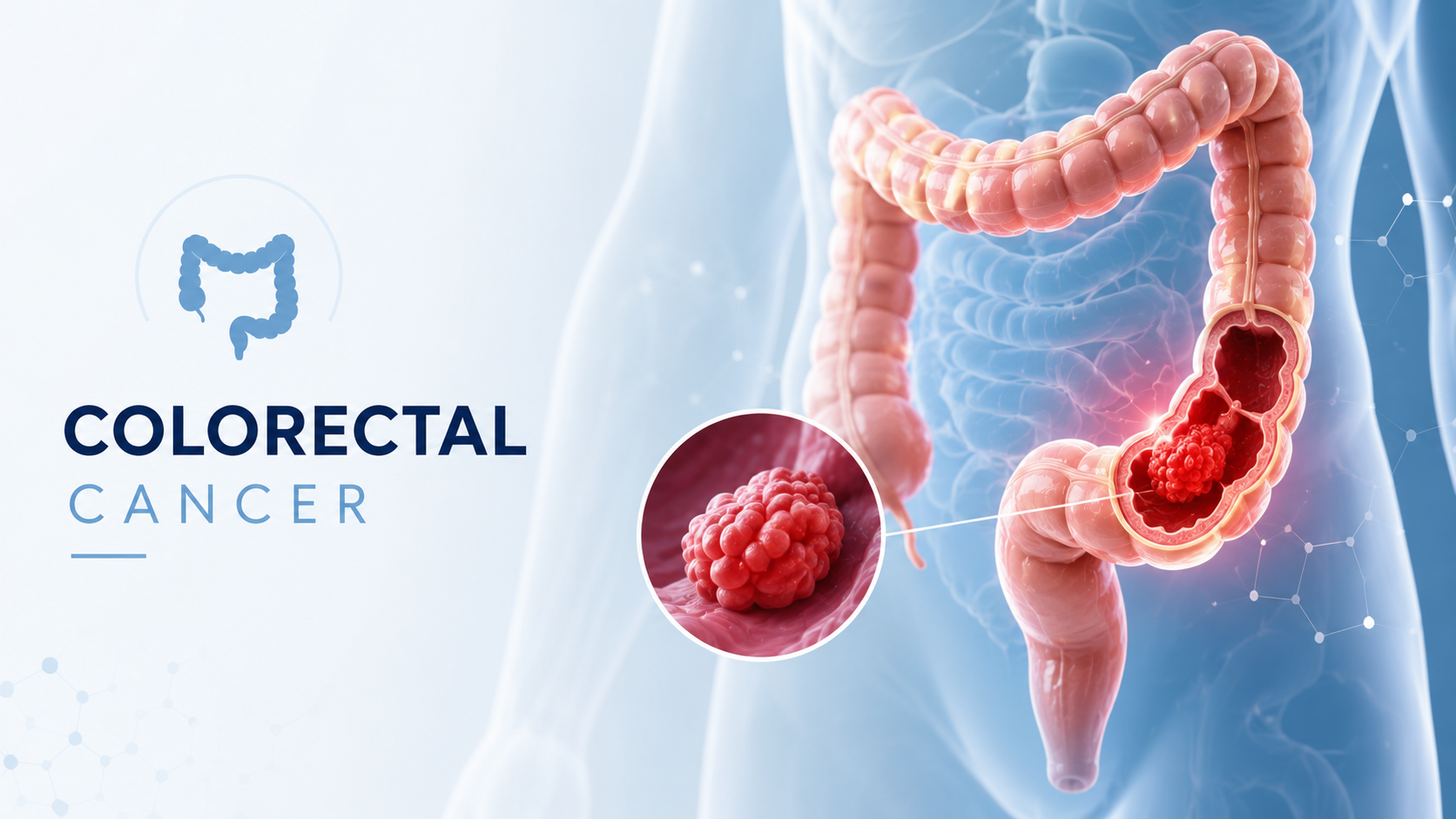
Colorectal cancer
by Dr. Sadir Al Rawi, Director of Surgical Oncology Services Colorectal cancer (CRC), also known as bowel cancer, is the development of cancer from the colon or rectum (parts of the large intestine). It is due to the abnormal growth of cells that have the ability to invade or spread to other parts of the body.]Signs and symptoms may include blood in the stool, a change in bowel movements, weight loss, and feeling tired all the time. Most colorectal cancers are due to old age and lifestyle factors with only a small number of cases due to underlying genetic disorders. Some risk factors include diet, obesity, smoking, and lack of physical activity. Dietary factors that increase the risk include red and processed meat as well as alcohol. Another risk factor is inflammatory bowel disease, which includes Crohn’s disease and ulcerative colitis. Some of the inherited genetic disorders that can cause colorectal cancer include familial adenomatous polyposis and hereditary non-polyposis colon cancer; however, these represent less than 5% of cases. It typically starts as a benign tumor, often in the form of a polyp, which over time becomes cancerous. Bowel cancer may be diagnosed by obtaining a sample of the colon during a sigmoidoscopy or colonoscopy. This is then followed by medical imaging to determine if the disease has spread. Screening is effective for preventing and decreasing deaths from colorectal cancer. Screening is recommended starting from the age of 50 to 75. During colonoscopy, small polyps may be removed if found. If a large polyp or tumor is found, a biopsy may be performed to check if it is cancerous. Aspirin and other non-steroidal anti-inflammatory drugs decrease the risk. Their general use is not recommended for this purpose, however, due to side effects. Treatments used for colorectal cancer may include some combination of surgery, radiation therapy, chemotherapy and targeted therapy. Cancers that are confined within the wall of the colon may be curable with surgery while cancer that has spread widely are usually not curable, with management focusing on improving quality of life and symptoms. Five year survival rates in the United States are around 65%. This, however, depends on how advanced the cancer is, whether or not all the cancer can be removed with surgery, and the person’s overall health. Globally, colorectal cancer is the third most common type of cancer making up about 10% of all cases. In 2012, there were 1.4 million new cases and 694,000 deaths from the disease. It is more common in developed countries, where more than 65% of cases are found. It is less common in women than men.