
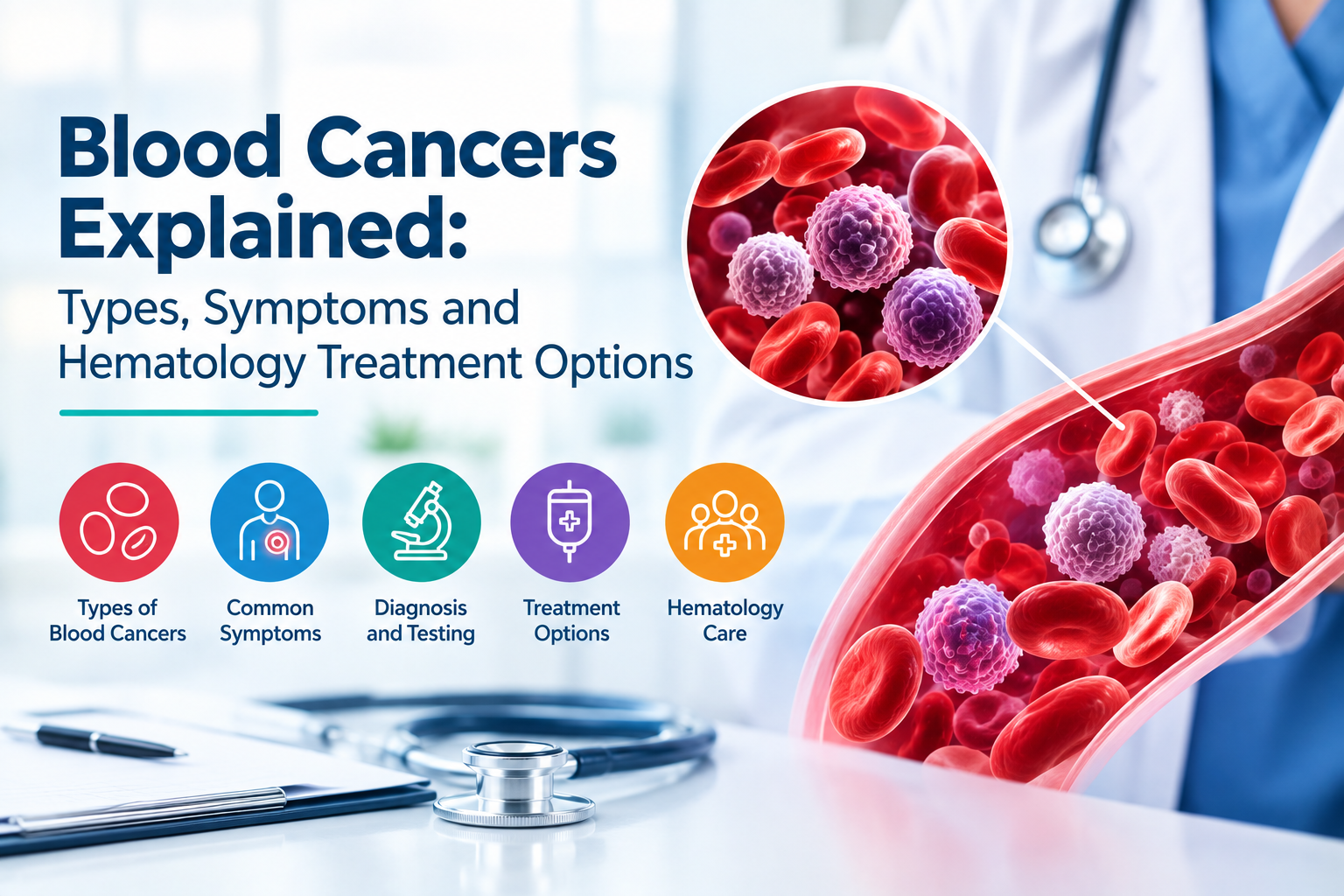
Blood Cancers Explained: Types, Symptoms and Hematology Treatment Options
Blood cancers are conditions that affect blood cells, bone marrow, or the lymphatic system. They can interfere with the body’s ability to produce healthy blood cells and fight infections. Understanding the different types, warning signs, diagnostic procedures, and available treatments can help patients seek appropriate medical evaluation. Hematology Oncology Dubai services bring together specialist assessment and cancer care for people diagnosed with or being investigated for blood-related malignancies. What Are Blood Cancers? Blood cancers develop when abnormal blood cells grow or multiply uncontrollably. These abnormal cells can interfere with the production and function of normal blood cells. The three major categories are leukemia, lymphoma, and myeloma. Hematologic cancer can affect people of different ages, and symptoms vary according to the specific disease. Some blood cancers progress quickly, while others develop more gradually. A detailed medical assessment is therefore important when persistent or unexplained symptoms occur. Major Types of Blood Cancer Blood cancers are generally classified according to the cells or tissues affected. Leukemia Leukemia begins in blood-forming tissues, particularly the bone marrow. It results in the production of abnormal blood cells that can interfere with normal blood cell development. There are several types of leukemia, including acute and chronic forms. Treatment depends on the specific type, genetic characteristics, disease stage, age, and overall health. Lymphoma Lymphoma develops in lymphocytes, a type of white blood cell that forms part of the immune system. The two broad categories are Hodgkin lymphoma and non-Hodgkin lymphoma. Lymphoma can affect lymph nodes and other parts of the lymphatic system. Some forms are slow-growing, while others can progress rapidly. Myeloma Myeloma develops from plasma cells, which are specialized immune cells found in the bone marrow. Abnormal plasma cells can produce excessive amounts of an abnormal protein and affect normal blood cell production and bone health. Common Symptoms of Blood Cancer Symptoms differ depending on the type and extent of disease. Some signs may also occur with infections or other non-cancerous conditions. Common symptoms can include: Swollen lymph nodes, bone discomfort, and changes in blood counts may also occur in certain blood cancers. Persistent symptoms should be evaluated by a healthcare professional rather than being assumed to indicate cancer. How Is Hematologic Cancer Diagnosed? Diagnosis usually begins with a medical history, physical examination, and blood tests. A complete blood count can identify unusual changes in red blood cells, white blood cells, or platelets. Depending on the findings, doctors may recommend additional investigations, such as blood-cell analysis, bone marrow examination, lymph-node biopsy, imaging, or specialized molecular and genetic tests. These investigations help determine the exact type of Hematologic cancer and provide information needed for treatment planning. Blood Cancer Treatment Options Blood cancer treatment varies significantly between different diseases. Treatment may involve chemotherapy, immunotherapy, targeted medicines, radiation therapy, stem cell transplantation, or combinations of these approaches. Treatment Possible role Chemotherapy Uses medicines to destroy or control abnormal cancer cells Targeted therapy Acts on specific molecular features of certain cancers Immunotherapy Helps the immune system recognize and attack cancer cells Radiation therapy Uses focused radiation for selected blood cancers Stem cell transplant Can replace diseased blood-forming cells in selected patients A personalized treatment plan is developed after considering the cancer type, molecular characteristics, disease extent, previous treatment, and patient’s general health. Leukemia Treatment Leukemia treatment depends heavily on the exact leukemia subtype. Acute leukemias may require prompt treatment, while some chronic leukemias can initially be monitored in selected circumstances. Depending on the diagnosis, Leukemia treatment may involve chemotherapy, targeted medicines, immunotherapy, or stem cell transplantation. Supportive care, including management of infections, anemia, and low platelet levels, may also be an important part of treatment. Lymphoma Treatment Lymphoma treatment depends on whether the disease is Hodgkin or non-Hodgkin lymphoma, its subtype, stage, and other characteristics. Lymphoma treatment may include chemotherapy, immunotherapy, targeted medicines, radiation therapy, or combinations of treatments. Some slow-growing lymphomas may be monitored before treatment is required, while aggressive forms may require prompt therapy. A specialist reviews biopsy and imaging results to determine the appropriate treatment strategy. The Role of a Hematologist A Hematologist Dubai specialist can evaluate abnormal blood counts, unexplained bleeding or bruising, persistent infections, swollen lymph nodes, and other symptoms that may require investigation. For patients diagnosed with blood cancer, a hematologist works with oncology professionals to interpret laboratory results, pathology, imaging, and molecular testing. This coordinated approach can help establish a diagnosis and develop an individualized treatment plan. Follow-Up and Supportive Care Blood cancer care does not end when the initial treatment is completed. Follow-up may involve regular blood tests, imaging, physical examinations, and monitoring for treatment-related effects. Supportive care may address nutrition, infection prevention, blood-count abnormalities, pain, fatigue, and emotional wellbeing. The specific follow-up schedule depends on the disease and treatment history. When Should You Seek Medical Advice? Persistent fatigue, unexplained weight loss, recurring infections, unusual bleeding, frequent bruising, prolonged fever, or unexplained swollen lymph nodes should be discussed with a healthcare professional. These symptoms do not necessarily indicate blood cancer, but appropriate testing can help identify their underlying cause. Early evaluation may also help establish a diagnosis when a blood disorder or malignancy is present. Conclusion Blood cancers include leukemia, lymphoma, and myeloma, with each condition requiring a different diagnostic and treatment approach. Hematology Oncology Dubai services can provide specialist evaluation, laboratory assessment, pathology review, and individualized cancer care. Blood cancer treatment Dubai may include chemotherapy, targeted therapy, immunotherapy, radiation, or stem cell transplantation depending on the diagnosis. Leukemia treatment and Lymphoma treatment are selected according to the specific disease subtype and patient factors. Anyone experiencing persistent or unexplained symptoms can discuss them with a Hematologist Dubai specialist for appropriate evaluation. Frequently Asked Questions 1. What are the main types of blood cancer? The main types are leukemia, lymphoma, and myeloma. Each affects different blood-forming or immune-system cells. 2. What are common blood cancer symptoms? Symptoms may include fatigue, recurring infections, unexplained bruising, bleeding, fever, night sweats, and unexplained weight loss. 3. How is blood cancer diagnosed? Diagnosis may involve blood tests,
Tags: Hematology Oncology Dubai