
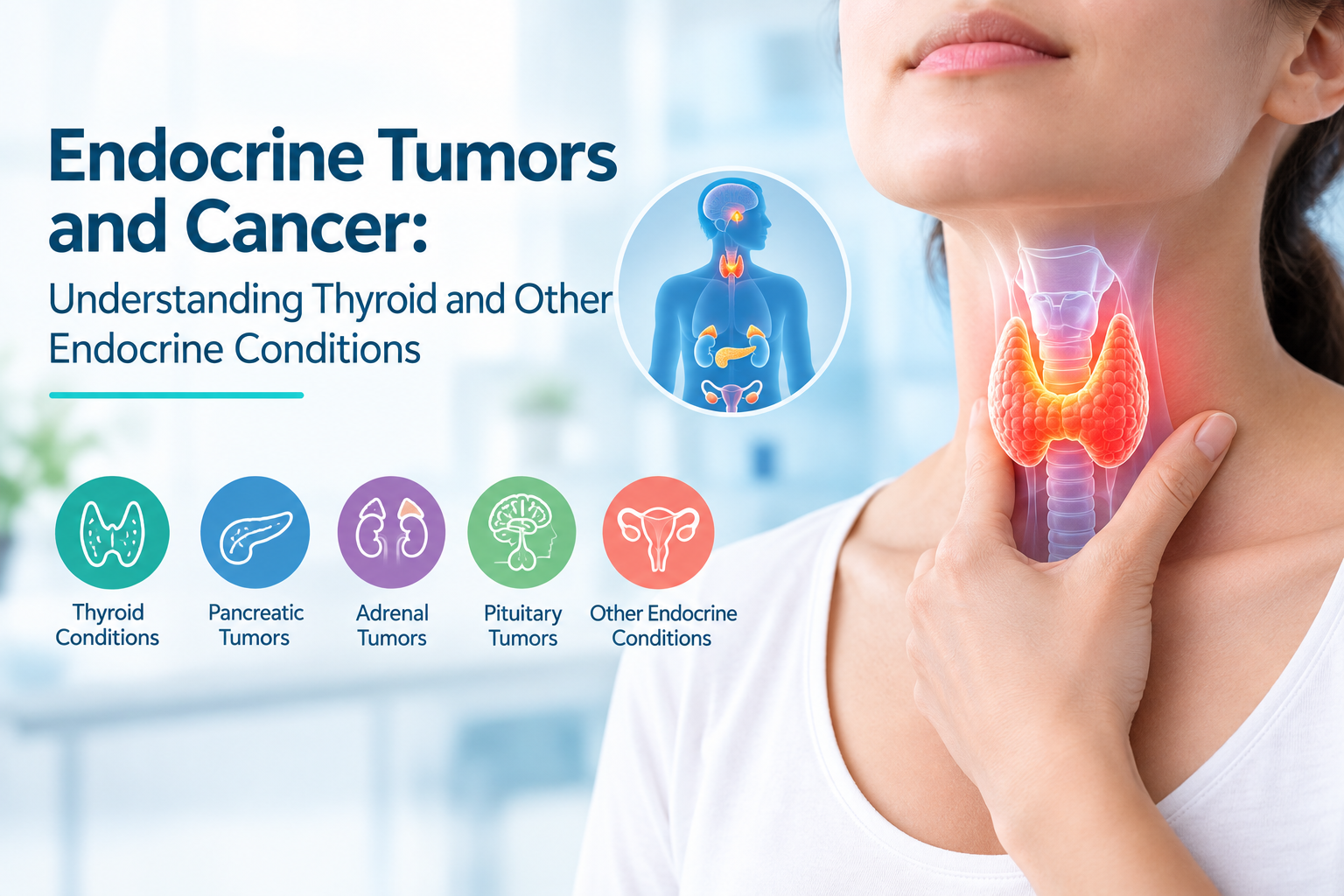
Endocrine Tumors and Cancer: Understanding Thyroid and Other Endocrine Conditions
Endocrine glands produce hormones that regulate important functions such as metabolism, growth, reproduction, and calcium balance. Tumors can develop in different endocrine organs, including the thyroid, parathyroid, adrenal glands, and pancreas. While many endocrine tumors are benign, some can be cancerous and require specialist evaluation. Endocrine Oncology Dubai services focus on diagnosing these conditions and developing an appropriate treatment plan based on the tumor type, location, and individual patient factors. What Are Endocrine Tumors? Endocrine tumors develop from cells within glands or tissues involved in hormone production. Some tumors produce excessive hormones, while others may not affect hormone levels at all. Their behavior can range from benign growths to malignant cancers. Common endocrine tumors can involve: The symptoms depend on the affected gland, tumor size, hormone activity, and whether the growth has spread to other areas. Understanding Thyroid Cancer Thyroid cancer develops when abnormal cells in the thyroid gland begin to grow uncontrollably. Different types of thyroid cancer have different characteristics and treatment approaches. Some thyroid cancers may be detected as a thyroid nodule during a routine examination or imaging test. Others may cause noticeable symptoms, such as a lump in the neck, difficulty swallowing, voice changes, or swelling. Not every thyroid nodule is cancerous. A medical evaluation can help determine whether further investigation is necessary. Thyroid Cancer Diagnosis Evaluation generally begins with a medical history and physical examination. Doctors may use thyroid ultrasound, blood tests, and other imaging procedures to assess the gland. When a nodule has suspicious features, a fine-needle aspiration biopsy may be recommended. The collected cells can be examined by a laboratory to determine whether cancer is present. Accurate diagnosis is essential when planning thyroid cancer treatment Dubai patients may require. Additional imaging or testing may be performed when doctors need more information about the extent or characteristics of the disease. Thyroid Cancer Treatment Options Thyroid cancer treatment depends on the cancer type, size, location, stage, and other patient-specific factors. Surgery is an important treatment for many thyroid cancers. Depending on the circumstances, surgery may involve removing part of the thyroid gland or the entire gland. Lymph nodes in the neck may also require assessment or removal when there is evidence of involvement. Other treatments can include radioactive iodine, thyroid hormone therapy, external radiation in selected situations, targeted medicines, or other systemic treatments. Treatment approach Possible role Thyroid surgery Removes part or all of the thyroid when appropriate Radioactive iodine May be used for selected differentiated thyroid cancers Thyroid hormone therapy Helps replace hormones and may have a role in follow-up care Targeted therapy May be considered for specific advanced cancers Radiation therapy Used selectively for particular situations A Thyroid cancer specialist can explain which options are appropriate after reviewing pathology, imaging, and staging information. Other Endocrine Tumors Endocrine tumors are not limited to the thyroid. They can develop in the parathyroid and adrenal glands or in hormone-producing cells of the pancreas. Parathyroid tumors can affect calcium regulation by causing excessive production of parathyroid hormone. Many parathyroid growths are benign, but they can still cause significant biochemical changes. Adrenal tumors may or may not produce hormones. Depending on their characteristics, doctors may recommend hormonal testing, imaging, monitoring, or surgery. Pancreatic neuroendocrine tumors develop from specialized cells in the pancreas. Their behavior and treatment can vary considerably, making specialist assessment important. Endocrine Cancer Treatment Endocrine cancer treatment is determined by the specific tumor rather than by a single standard approach. Surgery may be recommended for localized tumors that can be safely removed. Other patients may require medication, radiation-based treatment, targeted therapies, or ongoing monitoring. Endocrine cancer treatment can involve several specialists, including endocrine surgeons, endocrinologists, medical oncologists, radiologists, and pathologists. A multidisciplinary approach can help integrate hormone testing, imaging, pathology, and treatment planning. When Should You Seek Medical Evaluation? A new lump or swelling in the neck, persistent voice changes, difficulty swallowing, unexplained hormonal symptoms, or unusual changes in calcium levels may require medical assessment. Many of these symptoms have causes unrelated to cancer. However, timely evaluation can help identify the underlying condition and determine whether further testing is needed. Patients seeking Endocrine Oncology Dubai services can discuss their symptoms and previous investigations with a qualified specialist. Bringing previous ultrasound reports, biopsy results, blood tests, and imaging studies can help the medical team understand the clinical history. Importance of Follow-Up Follow-up is an important component of endocrine cancer care. Depending on the diagnosis and treatment, monitoring may include physical examinations, hormone tests, ultrasound, other imaging, and additional laboratory investigations. For thyroid cancer patients, follow-up may also involve thyroid hormone monitoring and, in selected cases, tumor-marker testing. The frequency and type of follow-up depend on the individual’s diagnosis and risk profile. Conclusion Endocrine tumors can affect several hormone-producing organs, and their behavior can vary from benign growths to malignant cancers. Thyroid cancer is one of the more commonly recognized endocrine cancers, but specialist care also covers tumors involving the parathyroid, adrenal glands, and pancreatic neuroendocrine cells. Endocrine Oncology Dubai services can support comprehensive evaluation and individualized care. For patients requiring thyroid cancer treatment Dubai, a Thyroid cancer specialist can assess diagnostic findings and discuss appropriate treatment options. Endocrine cancer treatment may include surgery, medication, radioactive iodine, radiation, targeted therapy, or careful monitoring depending on the specific condition. Frequently Asked Questions 1. What are endocrine tumors? Endocrine tumors develop in hormone-producing glands or tissues. They can be benign or malignant and may or may not produce excess hormones. 2. What are common signs of thyroid cancer? Possible signs include a neck lump, enlarged thyroid, difficulty swallowing, persistent hoarseness, or swollen neck lymph nodes. 3. How is thyroid cancer diagnosed? Evaluation may include ultrasound, blood tests, and fine-needle aspiration biopsy. Additional imaging may be recommended depending on the findings. 4. What is endocrine cancer treatment? Treatment depends on the tumor type and stage and may include surgery, medication, radiation, radioactive iodine, targeted therapy, or monitoring.
Tags: Endocrine Oncology Dubai