cancercare

Uncategorized Archives - cancercare

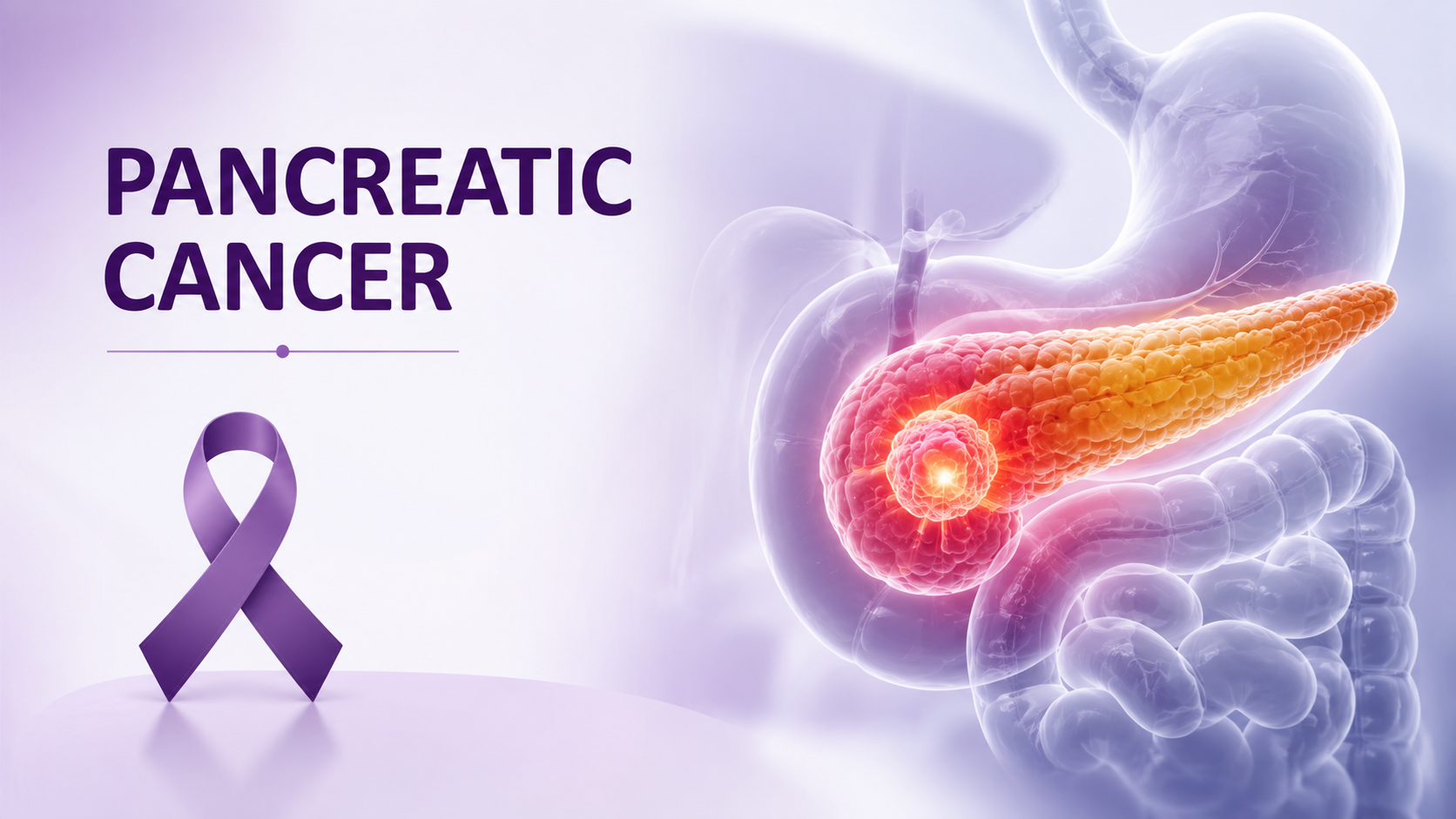
Early Signs of Pancreatic Cancer
28 Apr
0

Early Signs of Pancreatic Cancer You Should Not Ignore

Pancreatic cancer rarely announces itself loudly. That’s part of the problem. By the time many patients walk into a clinic in the UAE, the disease has already progressed – quietly, steadily, and often without obvious disruption. It’s not that the body doesn’t give signals. It does. They’re just easy to dismiss. Here’s the reality: most early signs of pancreatic cancer look like everyday issues – digestive discomfort, fatigue, mild back pain. Nothing alarming at first glance. But when these symptoms linger or stack up, they deserve attention. Recognising subtle pancreatic cancer symptoms early can make a meaningful difference in treatment options and outcomes. That Dull Pain You Keep Ignoring It usually starts as a vague discomfort. Upper abdomen. Sometimes the mid-back. Patients often describe it as a “nagging ache” that comes and goes – but never fully disappears. It may worsen after meals or when lying flat. This is one of the more overlooked pancreatic cancer warning signs. I’ve seen patients in the UAE treat this as a posture issue for weeks. By the time imaging is done, the picture is more complex than expected. Unexplained Weight Loss – Not Always a Good Sign Losing weight without trying might sound appealing to some. It shouldn’t. If there’s a noticeable drop in weight along with reduced appetite, it needs evaluation. The pancreas plays a role in digestion, so when it’s affected, the body struggles to process nutrients properly. Among the early pancreatic cancer symptoms, this one tends to show up quietly – but consistently. Jaundice Isn’t Subtle – But It’s Often Late Yellowing of the skin or eyes. Dark urine. Pale stools. These are classic signs of bile duct obstruction, often caused by a tumour in the head of the pancreas. Unlike other symptoms, jaundice is hard to ignore. It sounds obvious, but it isn’t always acted on quickly. Some patients assume it’s a liver issue and delay specialist consultation. That delay matters. New-Onset Diabetes After 50? Take It Seriously This is where many get it wrong. A sudden diagnosis of diabetes – especially in someone with no prior history – can sometimes be linked to pancreatic changes. It doesn’t mean cancer automatically. But it does raise questions. Doctors in the UAE are increasingly alert to this link, particularly when diabetes appears alongside other pancreatic cancer risk factors like obesity or a history of smoking. Digestive Issues That Don’t Settle Bloating. Nausea. Occasional vomiting. On their own, these symptoms are common. Together – and persistent – they’re worth investigating. The pancreas supports digestion through enzyme production. When that function is disrupted, symptoms tend to linger despite routine treatment. It sounds simple, but it isn’t. Many patients cycle through antacids and dietary tweaks before anyone considers imaging. A Common Misconception Worth Addressing A lot of people believe pancreatic cancer always causes severe pain early on. It doesn’t. In fact, early-stage disease can be surprisingly quiet. That’s why waiting for “serious” symptoms is risky. By the time intense pain shows up, the disease may already be advanced. Early detection depends less on dramatic signs and more on recognising patterns. When Should You Actually See a Doctor? If symptoms persist beyond two to three weeks – or worsen – get them checked. Don’t wait for them to “settle on their own.” In the UAE, access to diagnostics like CT scans and abdominal ultrasounds is relatively straightforward. Many leading centres also use multidisciplinary teams to assess suspected cases, combining expertise from gastroenterology, oncology, and radiology. And yes, a second opinion is worth considering. Especially when symptoms don’t match initial findings. Conclusion Pancreatic cancer doesn’t follow a predictable script. That’s what makes it challenging – and why awareness matters. The early signs are often subtle, sometimes confusing, and easy to brush aside. But patterns tell a story. Persistent discomfort, unexplained weight loss, new metabolic changes – these are signals worth paying attention to. In the UAE, patients have access to advanced imaging, experienced specialists, and coordinated care pathways. The key is acting early. CancerCare Specialties offers a comprehensive evaluation with a multidisciplinary approach, helping patients move from uncertainty to clarity. If something feels off and doesn’t resolve, it’s worth having it properly assessed. Sometimes, that one decision changes everything. FAQs 1. Are early pancreatic cancer symptoms easy to detect? Not always. Many symptoms are mild and resemble common digestive issues, which is why they’re often overlooked. 2. Is back pain alone a sign of pancreatic cancer? Back pain can have many causes. However, persistent pain combined with other symptoms should be evaluated. 3. Can diabetes be linked to pancreatic cancer? Yes, especially new-onset diabetes in older adults may sometimes be associated with pancreatic conditions. 4. What are the main pancreatic cancer risk factors? Smoking, obesity, chronic pancreatitis, family history, and age are among the known pancreatic cancer risk factors. 5. What should I do if I notice these symptoms? Consult a doctor if symptoms persist beyond a few weeks. Early imaging and specialist input can help rule out serious conditions.

Cancer Treatment Plan
28 Apr
0

How to Choose the Right Cancer Treatment Plan

A cancer diagnosis rarely comes with clarity. It comes with urgency, second-guessing, and a lot of opinions – some helpful, some not. Patients in the UAE often find themselves asking the same question: Where do I even begin? Choosing the right cancer treatment plan isn’t just about starting treatment quickly. It’s about starting the right treatment. I’ve seen families rush into decisions simply because they felt time was slipping away. That instinct is understandable. But here’s the reality – taking a short pause to evaluate your options properly can change outcomes in a very real way. The UAE offers advanced oncology care, yes. But knowing how to choose cancer treatment within that system is what actually makes the difference. Start with the full picture, not assumptions Before discussing therapies, you need clarity on diagnosis and staging. Not just “it’s cancer,” but what type, what stage, and how aggressive it is biologically. This is where many get it wrong. They jump straight into comparing the best cancer treatment options without confirming whether the diagnosis has been thoroughly evaluated. In leading UAE centres, PET-CT scans, biopsy profiling, and tumour markers are standard. These aren’t extras – they shape your entire treatment direction. One doctor isn’t enough anymore Modern oncology doesn’t work in silos. And frankly, it shouldn’t. A proper cancer treatment plan is usually discussed in what’s called a multidisciplinary tumour board. That includes: I’ve seen cases where a single-doctor opinion leaned heavily toward surgery, while a team approach suggested a combination therapy with better outcomes. That difference matters. Understanding treatment types (without overcomplicating it) You don’t need to memorise medical textbooks. But you do need a working understanding. Cancer surgery options Surgery is often the first step for many solid tumours. In the UAE, robotic-assisted procedures are increasingly common. Smaller incisions. Faster recovery. Less disruption to daily life. Chemotherapy vs radiation therapy This is where confusion kicks in. Sometimes they’re combined. Sometimes not. It depends entirely on your diagnosis – not preference. Personalization isn’t optional anymore If your treatment plan looks identical to someone else’s, pause and question it. A personalized cancer treatment approach considers: It sounds simple, but it isn’t. Two patients with the same cancer type can – and often do – receive completely different treatments. That’s not inconsistency. That’s precision. Let’s talk about a common misconception More aggressive treatment does not always mean better outcomes. There’s a tendency to think, “Do everything possible, hit it hard.” But in reality, overtreatment can sometimes lead to complications without improving survival rates. The goal is not maximum treatment. It’s the right treatment. Practical realities patients often overlook This part isn’t discussed enough. In the UAE, treatment costs can range from AED 40,000 to AED 120,000 depending on complexity. Insurance plays a major role – but coverage details can be tricky. I’ve seen patients delay treatment midway because they didn’t clarify this up front. Also, outpatient (ambulatory) cancer care is becoming more common. Chemotherapy or immunotherapy sessions don’t always require hospital admission, which can make life a bit more manageable during treatment. Don’t hesitate to get a second opinion There’s still hesitation around this. Patients worry it might offend their doctor. It won’t. In fact, most leading oncology centres encourage it. A second opinion can: If two experts agree, you move forward with peace of mind. If they don’t – you’ve just avoided a potential misstep. Conclusion Choosing the right cancer treatment plan takes more than urgency – it takes clarity, the right expertise, and a willingness to ask questions. The UAE offers access to advanced diagnostics, multidisciplinary care, and some of the best cancer treatment options available today. But access alone isn’t enough. You need a plan that’s built around you – your diagnosis, your health, your priorities. That’s where the difference lies. CancerCare Specialties focuses on exactly that – bringing together expert-led evaluation, modern treatment approaches, and patient-centred care under one roof. If you’re navigating this journey, booking a consultation could be the step that brings direction when things feel uncertain. FAQs 1. How do I know if my cancer treatment plan is right for me? If it’s based on detailed diagnosis, reviewed by multiple specialists, and tailored to your condition, you’re on the right track. 2. Is personalized cancer treatment really necessary? Yes. It improves outcomes by targeting how your specific cancer behaves, not just its location. 3. Should I compare multiple hospitals in the UAE? Absolutely. Look at expertise, technology, and whether they use multidisciplinary tumour boards. 4. What’s the difference in chemotherapy vs radiation therapy? Chemotherapy treats the whole body, while radiation focuses on a specific area. They are often used together depending on the case. 5. How important is a second opinion? Very. It’s a standard step in complex cases and can help you make a more confident decision.

Cancer Symptoms
28 Apr
0

Top 10 Cancer Symptoms Every Adult Should Know

Most people don’t ignore symptoms out of negligence. They brush them off because they seem harmless. A cough gets blamed on dust or weather. Constant tiredness? “Just work stress.” That thinking is more common than you’d expect – and it’s one of the reasons some cancers are picked up later than they should be across the UAE. Understanding cancer symptoms isn’t about assuming the worst. It’s about paying attention when something feels off and doesn’t settle. Early action often means simpler treatment and better outcomes. It’s not about reacting to every small issue – it’s about noticing what doesn’t return to normal. 1. Unexplained Weight Loss or Gain Dropping 4–5 kg without trying is not something to ignore. It may be linked to cancers affecting metabolism, including stomach or pancreatic cancers. Less commonly discussed, sudden weight gain can also point to underlying hormonal imbalances. 2. Persistent Fatigue That Doesn’t Improve This kind of fatigue feels different. It doesn’t go away after a good night’s sleep. It lingers, affects focus, and makes routine tasks harder. Among early cancer detection signs, this one is often dismissed for too long. 3. Unusual Lumps or Thickening A lump that’s new, painless, and slowly increasing in size needs attention. Whether it’s in the breast, neck, or underarm area, it’s one of the more familiar warning signs of cancer – yet many still delay getting it checked. 4. Skin Changes That Don’t Heal A mole that changes shape or colour. A sore that stays for weeks. These are not just skin issues. Skin cancers, including melanoma, often start this way. If something looks different and stays that way, it’s worth a closer look. 5. Changes in Bowel or Bladder Habits Ongoing constipation, diarrhoea, or blood in the stool can indicate colorectal concerns. Similarly, discomfort during urination or noticeable changes in frequency should not be ignored. A reliable cancer symptoms checklist always includes these patterns. 6. Persistent Cough or Hoarseness A cough lasting more than three to four weeks isn’t something to overlook. It could be linked to lung or throat conditions. In cities where pollution and smoking exposure are factors, this becomes even more relevant. 7. Unusual Bleeding or Discharge Blood in urine, stool, or when coughing is never considered normal. It remains one of the strongest warning signs of cancer and should be assessed without delay. 8. Difficulty Swallowing or Chronic Indigestion Many people manage acidity for years without concern. But when swallowing becomes difficult or indigestion is constant, it may point to oesophageal or stomach issues. If eating starts to feel uncomfortable, don’t ignore it. 9. Persistent or Unexplained Pain Pain that doesn’t have a clear cause – and doesn’t go away – should be investigated. Whether it’s the back, abdomen, or head, ongoing discomfort is one of the more subtle early signs of cancer. 10. Fever or Night Sweats Without Cause Repeated fevers or heavy night sweats can sometimes be linked to blood-related cancers or systemic conditions. These symptoms often start quietly, which makes them easy to dismiss. A Common Misconception Worth Challenging Not all early cancer detection signs are dramatic. In fact, most aren’t. They build slowly, blend into daily life, and are easy to explain away. Waiting for something severe before taking action is a mistake. Cancer doesn’t always show up loudly – it often starts with small, persistent changes. When to see a doctor for cancer If a symptom lasts more than two to three weeks, gets worse, or appears alongside other changes, it’s time to get it checked. That’s the simplest rule for when to see a doctor for cancer. In the UAE, access to screening and specialist care is well-established. Getting an opinion early doesn’t mean something serious is confirmed – it means you’re being cautious in the right way. Conclusion There’s a difference between staying calm and overlooking something important. Many people delay acting on cancer symptoms because they don’t want to overthink it. But persistent changes in your body deserve attention. In practical terms, early evaluation often leads to simpler treatment and better outcomes. Across the UAE, specialised centres like CancerCare Specialties focus on early diagnosis, accurate assessment, and personalised care pathways. If something doesn’t feel right and doesn’t resolve, it’s worth getting clarity. Acting early isn’t panic – it’s good judgement. FAQs 1. Are these symptoms always linked to cancer? No. Many of these symptoms can be caused by less serious conditions. However, persistent patterns in any cancer symptoms checklist should be evaluated. 2. How long is too long to wait? If a symptom continues for more than two to three weeks, it’s best to consult a doctor. 3. Can cancer be detected before symptoms appear? Yes. Screening tests can identify cancer early, even before noticeable early signs of cancer develop. 4. Should I worry about fatigue alone? Not necessarily. But if fatigue is ongoing and combined with other symptoms, it may be part of broader early cancer detection signs. 5. Where can I get checked in the UAE? You can visit specialised oncology centres like CancerCare Specialties or any licensed hospital for proper screening and evaluation.

Colon Cancer Symptoms
28 Apr
0

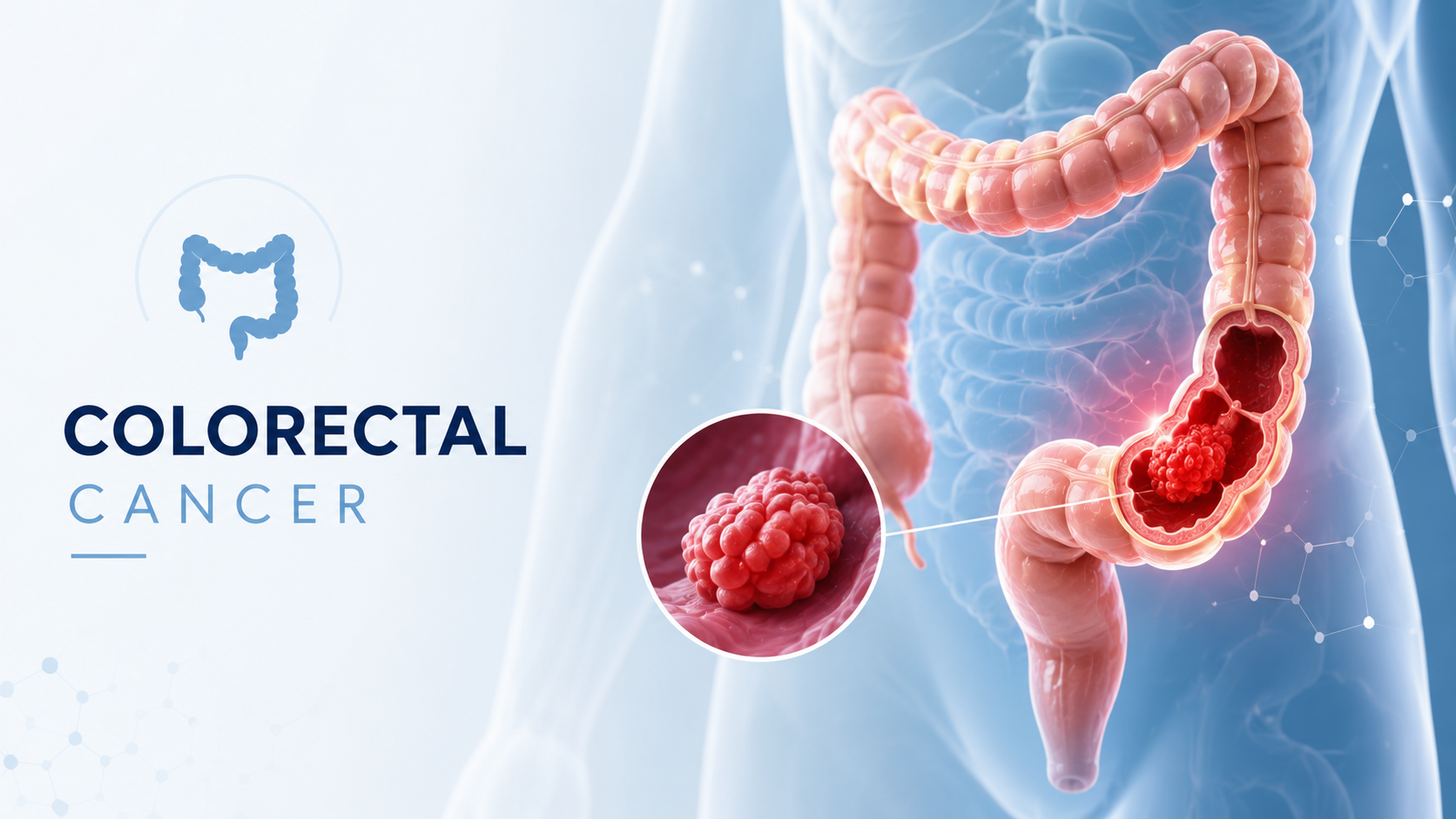
Colon Cancer Symptoms & Screening Guidelines

Most people don’t think about colon health until something feels off – and by then, it’s often late in the timeline. That’s the uncomfortable truth. In the UAE, colorectal cancer is among the leading cancers affecting both men and women, yet screening uptake remains lower than it should be. The gap isn’t due to lack of access; it’s often awareness and hesitation. Understanding colon cancer symptoms isn’t just about spotting problems, it’s about acting before they escalate. Many early cases show little to no warning signs, which is exactly why screening matters. If you’re over 40 or have a family history, ignoring this conversation isn’t a neutral decision – it’s a risk. What Are the Early Signs You Should Watch For? The challenge with signs of colon cancer is that they often appear subtle – or are mistaken for routine digestive issues. But persistence is the red flag. Watch for: Here’s the nuance many miss: one isolated symptom may not mean much. But when symptoms linger or combine, it’s time to take them seriously. Ignoring them because they seem “manageable” is a common – and risky – pattern. When Symptoms Don’t Show Up at All This is where things get tricky. Early-stage colon cancer often develops quietly. No pain. No visible signs. Nothing that forces you to act. That’s why relying only on colon cancer symptoms is not enough. Screening becomes the safety net – catching abnormalities before they turn into advanced disease. In fact, early detection can push survival rates above 90 – 95%. That’s not a marginal benefit. That’s life-changing. Colorectal Cancer Screening Guidelines in the UAE The UAE has clear, proactive recommendations – and they’re worth following closely. Who Should Get Screened? For high-risk individuals, screening may begin earlier – sometimes as early as 25, depending on medical advice. Recommended Screening Methods 1. Fecal Immunochemical Test (FIT) 2. Colonoscopy These colorectal cancer screening guidelines are widely implemented across UAE healthcare facilities, making access relatively straightforward. A Common Misconception That Needs to Go “Screening is only necessary if I have symptoms.” This belief is more common than you’d expect – and it’s one of the biggest barriers to early diagnosis. The reality? By the time symptoms appear, the disease may already be progressing. Screening isn’t a reaction. It’s a preventive strategy. Another misconception: colonoscopy is painful or risky. In practice, it’s a routine, controlled procedure performed under sedation. Most patients return to normal activities quickly. The discomfort people fear is often far worse in imagination than in reality. Why Early Detection Changes Everything In clinical practice, the difference between early and late diagnosis is stark. Early-stage colorectal cancer is often treatable – and in many cases, curable. Late-stage cancer? Far more complex, both medically and emotionally. In the UAE, increasing awareness around signs of colon cancer and encouraging routine screening can significantly reduce disease burden. It’s not just about extending life – it’s about preserving quality of life. Conclusion Ignoring digestive changes or postponing screening is easy – until it isn’t. The reality is that colon cancer symptoms often stay silent until the disease has progressed. That’s why proactive screening, especially after 40, is not optional – it’s essential. At CancerCare Specialties, patients have access to advanced diagnostic tools, experienced oncology specialists, and structured screening pathways aligned with UAE guidelines. If you’ve been putting off a check-up or second-guessing symptoms, now is the time to act. Book a consultation and take a clear, informed step toward early detection and peace of mind. FAQs 1. What are the earliest colon cancer symptoms? Early colon cancer symptoms may include subtle changes in bowel habits, fatigue, or mild abdominal discomfort, though many cases show no symptoms initially. 2. At what age should screening start in the UAE? According to colorectal cancer screening guidelines, screening should begin at age 40 for average-risk individuals. 3. Is colonoscopy the only screening option? No. Annual FIT testing is a non-invasive alternative, though colonoscopy remains the most comprehensive diagnostic method. 4. Are signs of colon cancer always obvious? Not always. Many signs of colon cancer are mild or mistaken for common digestive issues, which is why persistence matters. 5. How often should I get screened? FIT is recommended yearly, while colonoscopy is typically done every 10 years, depending on individual risk factors.

Early Signs of Cancer
28 Apr
0

Early Signs of Cancer You Should Never Ignore

Most people don’t ignore serious symptoms on purpose – they rationalise them. A lingering cough becomes “just dust.” Fatigue gets blamed on work. A small lump? Probably nothing. This is exactly how early diagnoses get delayed. In clinical practice across the UAE, one pattern shows up repeatedly: patients wait too long because the early signs of cancer seem mild or familiar. The reality is simpler – and a bit uncomfortable. Cancer often whispers before it shouts. Recognising those early cues, even when they feel insignificant, can make a measurable difference in outcomes. Unexplained Weight Loss Isn’t Always a Good Sign Losing weight without trying might sound appealing – but medically, it’s a concern. If you drop around 4 – 5 kg without changes in diet or activity, it could fall under unexplained weight loss cancer indicators. This is often associated with cancers affecting the digestive system, lungs, or pancreas. Patients often say, “I thought it was just stress.” That assumption can cost time. Fatigue That Rest Doesn’t Fix We all get tired. That’s normal. But persistent, draining fatigue that doesn’t improve with sleep? That’s different. Among common early cancer symptoms, this type of exhaustion can signal underlying issues such as blood cancers or gastrointestinal conditions. If your energy levels haven’t bounced back after a few weeks, it’s worth investigating. Lumps, Swelling, or Thickening A new lump – especially one that’s painless and firm – should never be ignored. These can appear in: Not every lump is dangerous. But it remains one of the most recognised warning signs of cancer, and early evaluation is always the safer route. A Cough That Sticks Around Too Long In the UAE, this one gets overlooked constantly. Dust, humidity, air conditioning – there’s always a reason to explain a cough away. But a cough lasting more than three weeks, or persistent hoarseness, can be a serious cancer red flag, particularly for lung or throat cancers. If it lingers, don’t guess – check. Changes in Skin or Moles Skin changes don’t usually cause pain, which is why they’re easy to ignore. Watch for: These are subtle but important early signs of cancer, especially for skin-related conditions like melanoma. Digestive Changes That Don’t Settle Ongoing digestive discomfort often gets dismissed as lifestyle-related. But persistent issues matter. Be mindful of: These fall under broader early cancer symptoms linked to colorectal or stomach cancers. Unusual Bleeding or Discharge Unexpected bleeding is never something to “wait out.” This includes: These are clear warning signs of cancer and require immediate medical evaluation. Persistent Pain Without a Clear Cause Pain is your body’s signal that something isn’t right. If it lasts for weeks without an obvious reason, don’t ignore it. Chronic headaches, abdominal pain, or bone discomfort can all be potential cancer red flags, depending on the underlying issue. A Common Misconception Worth Challenging Here’s a belief that needs correcting: “If it doesn’t hurt, it’s not serious.” That’s not how cancer works. Many early-stage cancers are painless. In fact, the absence of pain often delays diagnosis. Another misconception? Waiting for symptoms to become severe before acting. By then, treatment options may become more complex. Early evaluation is not overreacting – it’s responsible. When Should You See a Doctor? A practical rule used by many specialists in the UAE:If a symptom lasts more than two weeks – or worsens – get it checked. Regular screenings (breast, cervical, colorectal) also play a key role. They can detect issues even before noticeable symptoms appear. Conclusion The body rarely sends signals without reason. The challenge is paying attention before those signals escalate. Recognising the early signs of cancer isn’t about panic – it’s about awareness and timely action. In the UAE, where advanced oncology care is readily accessible, there’s no advantage in waiting things out. If something feels off and doesn’t resolve, trust that instinct. CancerCare Specialties offers comprehensive evaluation, screening, and expert-led oncology care tailored to each patient. If you’ve noticed any persistent symptoms, booking a consultation could be the step that brings clarity – and potentially, early intervention when it matters most. FAQs 1. Do early cancer symptoms always indicate cancer? No. Many early cancer symptoms can be caused by less serious conditions. However, persistent symptoms should always be evaluated. 2. How much weight loss is considered concerning? Unintentional loss of 4 – 5 kg or more may fall under unexplained weight loss cancer indicators and should be checked. 3. When should I worry about a cough? If a cough lasts more than three weeks, especially in the UAE where it’s often dismissed as dust-related, it becomes a cancer red flag. 4. Are painless lumps dangerous? They can be. Many cancerous lumps are painless, making them one of the key warning signs of cancer. 5. How often should I get screened? Screening frequency depends on age and risk factors, but regular check-ups are essential for early detection.