Cancer in children is uncommon, but recognizing unusual or persistent changes can help families seek medical advice promptly. Childhood cancers can affect different organs and tissues, and their symptoms may sometimes resemble common childhood illnesses. Paediatric Oncology Dubai services focus on evaluating suspected childhood cancers and providing age-appropriate diagnosis, treatment, and supportive care. Understanding childhood cancer symptoms can help parents and caregivers know when a medical assessment may be appropriate.
What Is Paediatric Oncology?
Paediatric oncology is the medical field dedicated to diagnosing and treating cancer in infants, children, and adolescents. Childhood cancers differ from many adult cancers in their biology, treatment approaches, and supportive-care requirements.
Common childhood cancers include leukemia, brain and spinal cord tumors, lymphoma, neuroblastoma, Wilms tumor, and certain bone and soft-tissue tumors. Treatment depends on the specific cancer, its location, stage, biological characteristics, and the child’s overall health.
A Pediatric cancer specialist Dubai team may include pediatric oncologists, surgeons, radiologists, pathologists, nurses, nutrition specialists, and other healthcare professionals.
Early Warning Signs of Childhood Cancer
Many Childhood cancer symptoms are caused by infections or other common conditions and do not automatically mean cancer. However, symptoms that are persistent, unexplained, unusual, or progressively worsening should be discussed with a pediatrician or appropriate specialist.
Possible warning signs include:
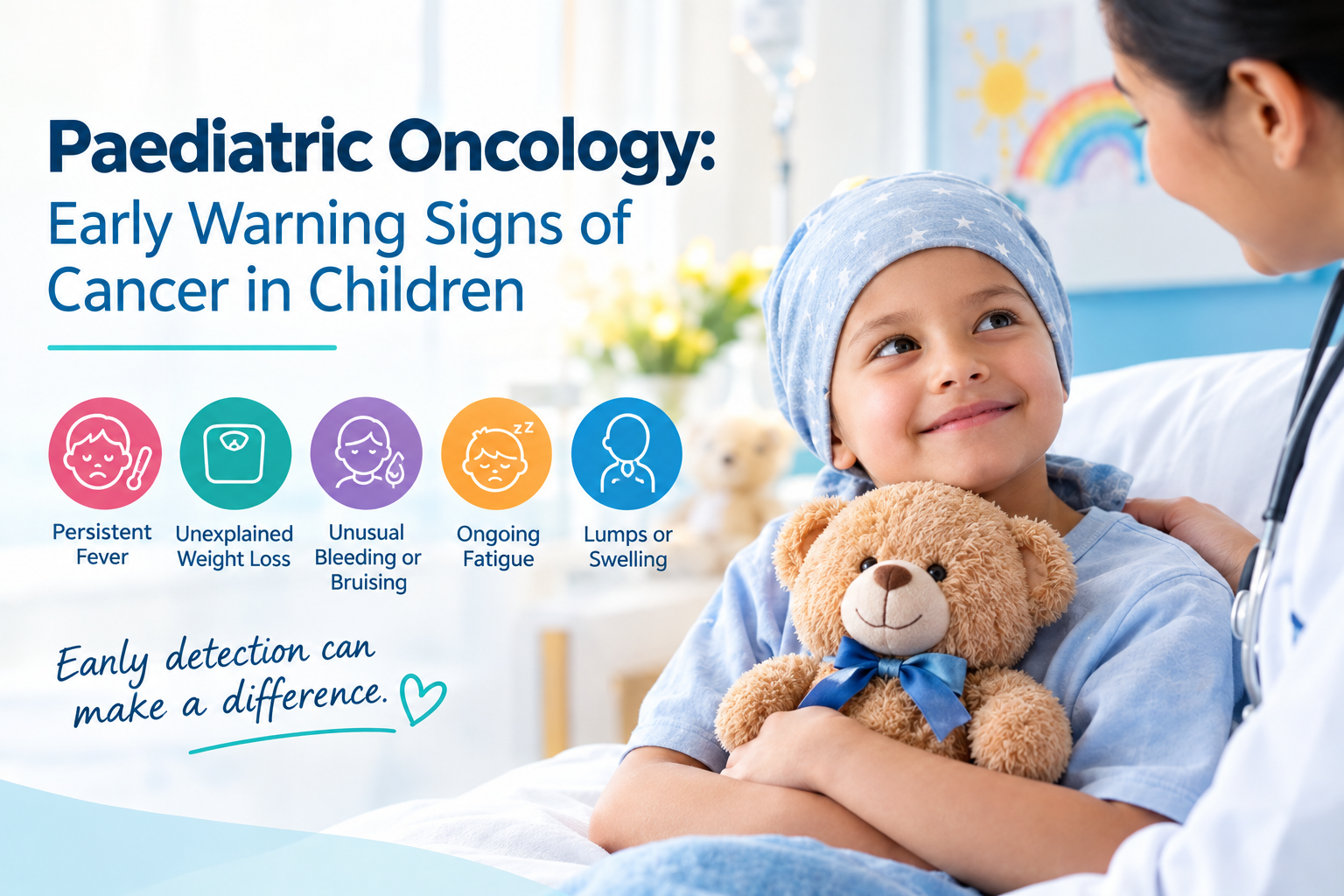
- Unexplained weight loss, prolonged fever, or persistent tiredness
- An unusual lump, swelling, or enlarged lymph node
- Persistent headaches, vomiting, balance problems, or vision changes
- Unexplained bruising, bleeding, or frequent infections
Other symptoms may include persistent bone or joint pain, abdominal swelling, changes in behavior, or a noticeable decline in normal activity.
When Should Parents Seek Medical Advice?
Parents know their child’s usual behavior and health patterns. A persistent change that does not have an obvious explanation deserves medical attention, especially when several symptoms occur together.
For example, repeated unexplained bruising combined with fatigue may require assessment of blood counts. Persistent headaches accompanied by vomiting or neurological changes may also require further investigation.
It is important not to assume that these symptoms indicate cancer. A healthcare professional can assess the child and determine whether additional tests are needed.
How Is Childhood Cancer Diagnosed?
The diagnostic process varies according to the child’s symptoms. A doctor may begin with a physical examination and medical history before recommending blood tests, ultrasound, X-rays, CT, MRI, or other investigations.
If a tumor or suspicious abnormality is identified, a biopsy may be required to establish the diagnosis. In some cancers, specialized laboratory, molecular, or genetic testing can provide additional information about the disease.
Accurate diagnosis is essential because childhood cancer treatment is selected according to the specific cancer type and its characteristics.
Childhood Cancer Treatment Options
Childhood cancer treatment can involve one or more approaches. These may include chemotherapy, surgery, radiation therapy, targeted medicines, immunotherapy, or stem cell transplantation in selected conditions.
| Treatment approach | Possible role |
| Chemotherapy | Uses medicines to destroy or control cancer cells |
| Surgery | Removes certain localized tumors when appropriate |
| Radiation therapy | Uses focused radiation for selected cancers |
| Targeted therapy | Acts on specific characteristics of certain cancer cells |
| Immunotherapy | Helps the immune system recognize and attack cancer cells |
The treatment plan is carefully adapted to the child’s age, cancer type, disease extent, and overall health. Doctors also consider potential effects on growth, development, fertility, and long-term wellbeing.
The Role of a Pediatric Cancer Specialist Dubai
A Pediatric cancer specialist Dubai team can coordinate different aspects of diagnosis and treatment. Childhood cancer care often requires collaboration between pediatric oncology, surgery, pathology, radiology, nursing, and supportive-care professionals.
Specialists may also discuss treatment schedules, possible side effects, nutritional needs, infection prevention, and follow-up care with parents or guardians.
Families may have many questions after a diagnosis. Clear communication can help parents understand the proposed treatment and what to expect during different stages of care.
Cancer Care for Children and Families
Cancer care for children extends beyond treating the cancer itself. Children may experience changes in appetite, energy, school participation, sleep, and emotional wellbeing during treatment.
Supportive care can include nutritional guidance, pain management, infection monitoring, psychological support, rehabilitation, and assistance with maintaining age-appropriate activities when possible.
Parents and caregivers may also benefit from practical and emotional support throughout the treatment journey.
Importance of Follow-Up Care
Follow-up is an important part of childhood cancer care. After treatment, children may need regular examinations, blood tests, imaging, or other assessments depending on the type of cancer and treatment received.
Long-term follow-up can help healthcare professionals monitor recovery and identify potential late effects of treatment. The schedule varies from one child to another.
Creating a Child-Centered Treatment Plan
Every child is different, so treatment should be individualized. Doctors consider the cancer diagnosis, disease stage, age, developmental needs, and overall health when developing a care plan.
Families considering Paediatric Oncology Dubai services can discuss diagnostic findings and treatment options with a qualified pediatric oncology team. Seeking specialist advice can help parents understand the available approaches without assuming that every child requires the same treatment.
Conclusion
Recognizing Childhood cancer symptoms does not mean assuming the worst. Many symptoms associated with childhood cancer can occur because of common illnesses or non-cancerous conditions. However, persistent or unexplained changes should be evaluated by a healthcare professional. Paediatric Oncology Dubai services provide specialized assessment and treatment for children with suspected or confirmed cancer. Childhood cancer treatment may include chemotherapy, surgery, radiation, targeted therapy, immunotherapy, or combinations of these approaches. A Pediatric cancer specialist Dubai team can coordinate medical and supportive care while providing age-appropriate Cancer care for children throughout diagnosis, treatment, and follow-up.
Frequently Asked Questions
1. What are common childhood cancer symptoms?
Possible symptoms include persistent fatigue, unexplained weight loss, lumps, prolonged fever, unusual bruising, pain, or recurring infections.
2. Does every lump in a child indicate cancer?
No. Most childhood lumps have other causes. A doctor should evaluate any persistent, unusual, or growing lump.
3. What treatments are used for childhood cancer?
Treatment may include chemotherapy, surgery, radiation, targeted therapy, immunotherapy, or stem cell transplantation.
4. Why is specialist cancer care important for children?
Children have different developmental and medical needs. Specialist teams can coordinate treatment while considering growth, development, and wellbeing.