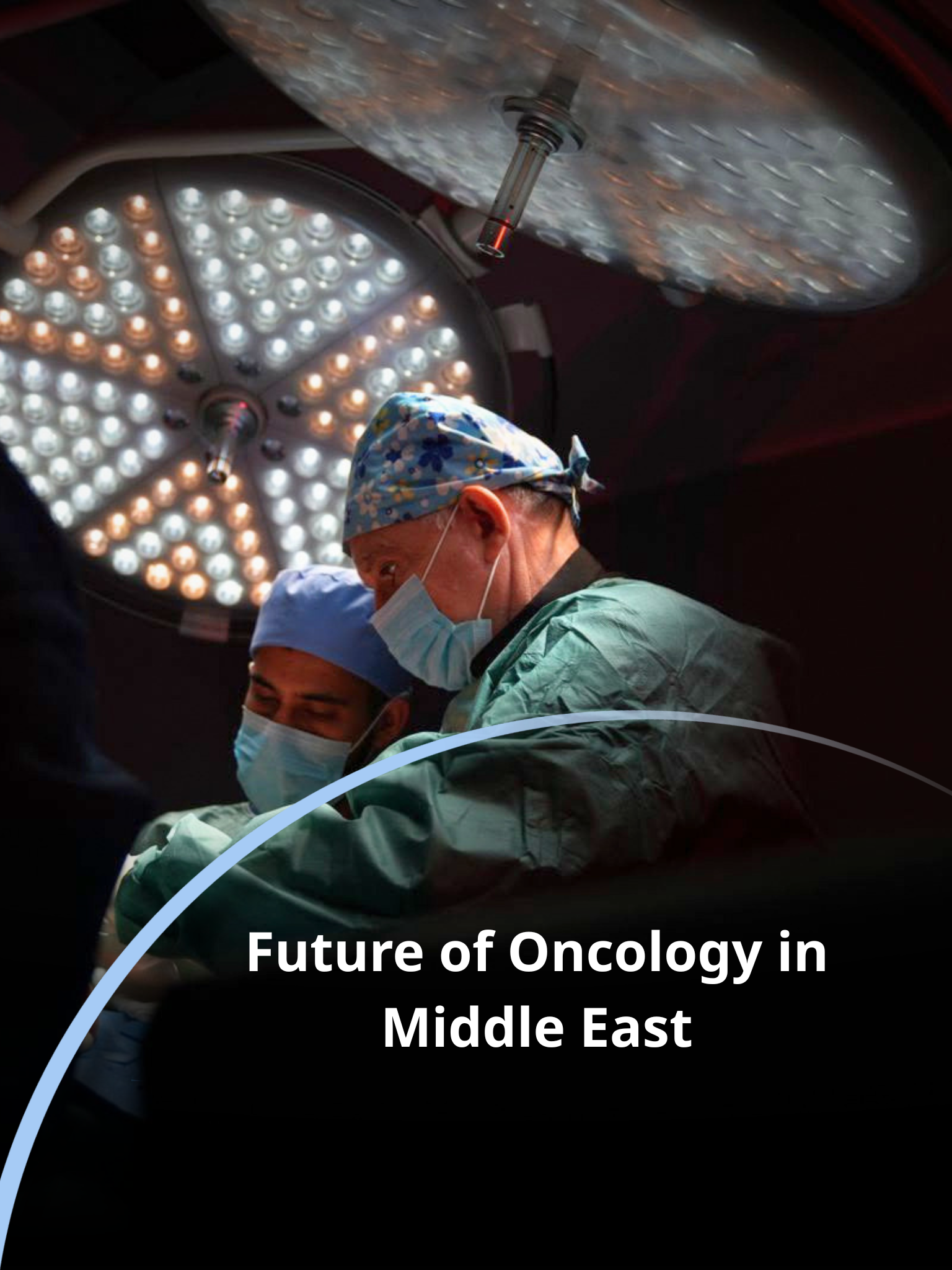
Cancer care in the Middle East has advanced significantly in recent years. With modern hospitals, experienced specialists, and innovative treatment methods, patients now have access to high quality care closer to home. The focus has shifted beyond simply treating cancer to providing personalized care that supports patients throughout every stage of their journey.
At Cancer Care Specialties, every patient benefits from a comprehensive approach that combines advanced medical technology, experienced specialists, and compassionate care. This commitment helps patients receive effective treatment while maintaining their comfort and quality of life.
Modern Technology Is Changing Cancer Treatment
Technology continues to reshape the way cancer is diagnosed and treated. High resolution imaging, advanced pathology services, minimally invasive surgery, and precision therapies allow doctors to detect cancer earlier and develop more effective treatment plans.
These advancements improve the accuracy of diagnosis and help specialists choose treatments that are best suited to each patient’s condition. Modern technology also supports safer procedures and better recovery experiences.
Personalized Treatment Makes a Difference
Every person experiences cancer differently. The type of cancer, its stage, overall health, and personal medical history all influence treatment decisions.
Instead of using a standard treatment plan, specialists create personalized care strategies designed specifically for each patient. Depending on the diagnosis, treatment may include surgery, chemotherapy, immunotherapy, radiation therapy, targeted therapy, or a combination of these approaches.
Personalized care helps improve treatment effectiveness while supporting the patient’s overall well being.
The Value of Expert Surgical Care
Surgery remains one of the most effective treatments for many types of cancer. Today’s surgical techniques are more advanced than ever before, allowing doctors to remove tumors with greater precision while protecting healthy tissue.
Whenever appropriate, minimally invasive procedures are used to provide several benefits, including:
- Smaller incisions
- Less discomfort after surgery
- Reduced blood loss
- Lower risk of infection
- Faster healing
- Shorter hospital stays
These techniques help patients recover more comfortably and return to their normal activities sooner.
Working Together for Better Patient Care
One of the greatest strengths of modern oncology is teamwork. Cancer treatment often involves specialists from multiple medical fields working together to provide complete care.
Surgeons, medical oncologists, radiologists, pathologists, radiation specialists, and nursing teams regularly discuss each patient’s condition before deciding on the most appropriate treatment plan. This collaborative approach ensures that every aspect of care is carefully coordinated.
Supporting Patients Beyond Treatment
Cancer treatment does not end when therapy is completed. Recovery continues through regular follow up appointments, rehabilitation, nutritional guidance, and ongoing health monitoring.
Patients also receive education about maintaining a healthy lifestyle and recognizing symptoms that may require medical attention in the future. This continued support helps improve confidence and long term health after treatment.
Looking Toward the Future
The future of oncology in the Middle East continues to be shaped by research, innovation, and medical collaboration. New treatment options, improved surgical techniques, and advanced diagnostic tools are making cancer care more effective than ever before.
As healthcare continues to evolve, patients can expect greater access to personalized treatments that focus not only on survival but also on preserving quality of life throughout their recovery.
Conclusion
Cancer care in the Middle East is entering a new era of innovation and patient focused treatment. Through advanced technology, experienced multidisciplinary teams, personalized care plans, and continuous medical advancements, patients now have greater opportunities for successful treatment and recovery. At Cancer Care Specialties, every patient receives compassionate, expert care designed to achieve the best possible outcomes while supporting their health and well being at every stage of the cancer journey.
FAQs
1. How has cancer treatment improved in the Middle East?
Cancer treatment has improved through advanced medical technology, specialized cancer centers, experienced healthcare professionals, and personalized treatment plans that help achieve better patient outcomes.
2. Why is personalized cancer care important?
Personalized care ensures that treatment is based on each patient’s specific diagnosis, overall health, and individual needs, leading to more effective and targeted treatment.
3. What role does surgery play in cancer treatment?
Surgery is often used to remove tumors and may be combined with chemotherapy, radiation therapy, immunotherapy, or targeted therapy depending on the patient’s condition.
4. What are the benefits of minimally invasive cancer surgery?
Minimally invasive surgery offers smaller incisions, reduced pain, quicker recovery, shorter hospital stays, and a lower risk of complications compared with traditional surgery.
5. Why is follow up care important after cancer treatment?
Regular follow up visits help monitor recovery, detect any recurrence early, manage side effects, and provide ongoing support to help patients maintain their long term health.