
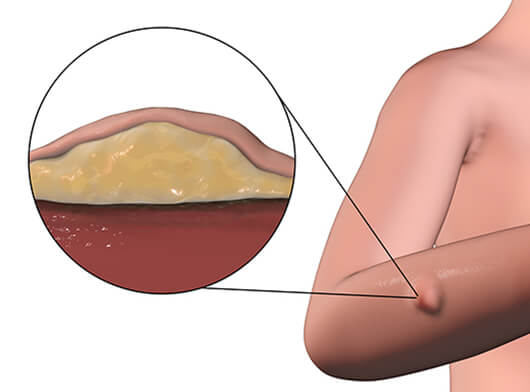
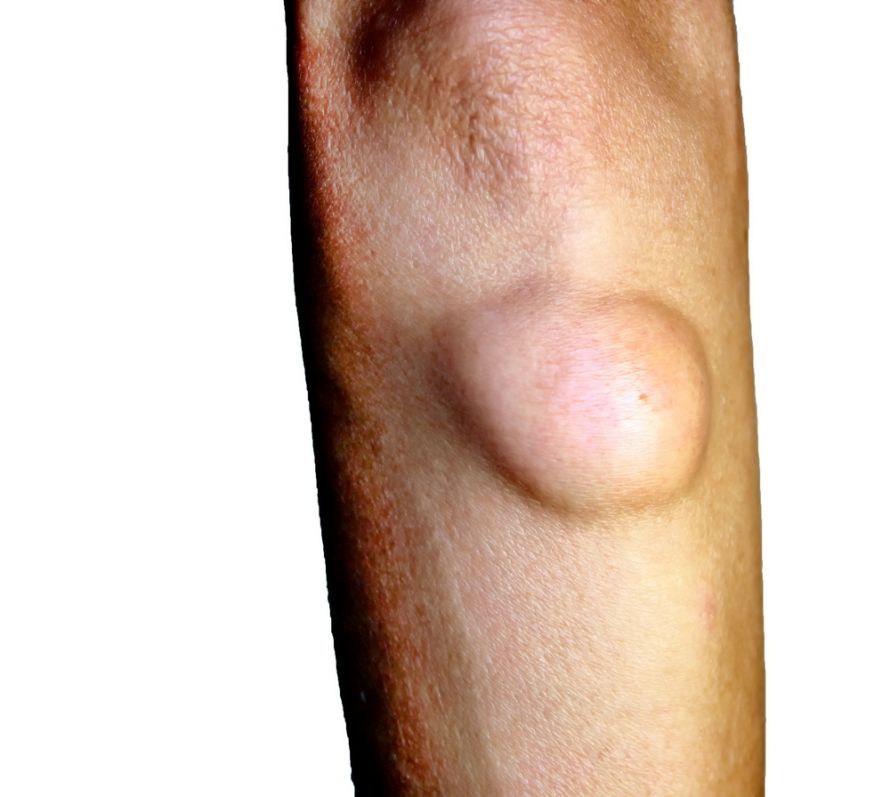
Common Symptoms of Soft Tissue Sarcoma
The symptoms also depend on the size and location of the tumor. Patients should consult a doctor if they experience:
- A lump or swelling that will not stop growing
- Unremitting pain in muscles or soft tissues
- Trouble moving an arm or leg
- Abdominal discomfort or swelling
- Unexplained fatigue or weight loss
Not every lump is cancer, but any lump that is abnormal or increasing in size should be checked by a specialist.
Advanced Diagnosis and Evaluation
Obtaining an accurate diagnosis is necessary before starting treatment. Cancer Care Specialties provides comprehensive assessment in order to evaluate the type, size, site, and stage of the tumor.
Diagnostic procedures may include:
- Physical examination
- MRI and CT imaging
- PET scans
- Ultrasound-guided assessments
- Biopsy and laboratory analysis
Our consultants discuss each case in detail and recommend a treatment plan that is personally modified to suit your circumstances and medical wellbeing.
Personalised Soft Tissue Sarcoma Treatment
Your treatment for soft tissue tumor sarcoma will vary according to the nature, location, and stage of your cancer, and whether or not the cancer has spread.
Our treatment approach may include:
Surgical Treatment
Surgery is a common form of treatment for soft tissue sarcoma. During the operation, every effort is made to excise the tumor without damaging the surrounding normal tissue.
Radiation Therapy
Radiation therapy can be used before the operation to shrink the tumor or afterward to minimise the chance of the tumor returning.
Chemotherapy
Some sarcomas are chemosensitive and are best treated systemically when metastatic or when systemic treatment is indicated.
Targeted and Specialised Therapies
Depending on the tumor properties, certain patients may also benefit from specifically tailored treatments.
Our multidisciplinary team works together to ensure every stage of the patient’s treatment receives coordinated care.
Why Early Detection Matters
Rapid early growth of soft tissue sarcoma, which may cause no symptoms, can result in delays to diagnosis and lead to a more complex course of treatment.
Seeking medical attention early offers several advantages:
- Higher chances of successful treatment
- Better surgical outcomes
- Reduced risk of cancer spread
- More treatment options available
- Increased quality of life during recovery
Do not ignore any swelling that won’t go down, unusual lumps, or persistent pain.
Patient-Centered Cancer Care
No two people are treated for cancer in the same way. Apart from the cancer treatment administered, emotional support, communication, and patient comfort are also key components of recovery.
Our team focuses on delivering compassionate care through:
- Personalised treatment planning
- Effective communication with patients and their family members
- Advanced cancer care technologies
- Coordinated specialist support
- Ongoing follow-up and recovery guidance
We want every patient to feel:
- Informed
- Supported
- Confident
Book a Consultation
If you are experiencing symptoms or have been diagnosed with a soft tissue tumor sarcoma, seeking early advice from a specialist can be crucial.
Cancer Care Specialties offers a personalised approach to cancer assessment and treatment.
Contact Us
Phone: +971 50 788 5001
Phone: +971 54 452 8282
Phone: +964 773 380 1661
Frequently Asked Questions
What is soft tissue tumor sarcoma?
Soft tissue sarcoma is a cancer that begins in soft tissues including muscles, fat, nerves, tendons, or blood vessels.
Is every soft tissue lump cancerous?
No, a large number of soft tissue lumps are benign. However, all lumps that are enlarging or painful need to be assessed by a specialist.
What treatments are available for soft tissue sarcoma?
Treatment varies according to the type and stage of the cancer but can include surgery, radiation therapy, chemotherapy, or targeted therapies.
Can soft tissue sarcoma be cured?
Many cases can be cured if detected early. Success of treatment depends on the type and site of the tumor, its stage, and the general health condition of the individual.
What are the indications to see a doctor for a soft tissue lump?
You should get checked by a doctor if you develop a lump that is growing, painful, or lasts for many weeks.