
Cancer Care Services & Supports
- Breast Center
- Thyroid & Parathyroid Center
- Endocrine Center
- Foregut Task Force Center
- Gynecological Oncology
- Hepatobiliary Pancreatic Center
- Thoracic Oncology Center
- Head & Neck Oncology and Cancer Center
- Surface Malignancy Center
- Sarcoma & Melanoma
- Neurosurgery & Spine Oncology Center
- Colorectal Oncology Center
- Uro-Oncology Center
- Plastic & Reconstructive Surgical Oncology Center
- Medical Oncology & Hematology Center
- Palliative Care & Pain Management Center
- Paediatric Surgical Oncology
- Advanced Interventional Gastroenterology Center
- Interventional Radiology
- Hyperbaric Oxygen
- Complementary & Alternative Medicine
- Intensive Care Service
- Nutritional Support
- Cancer Care Services
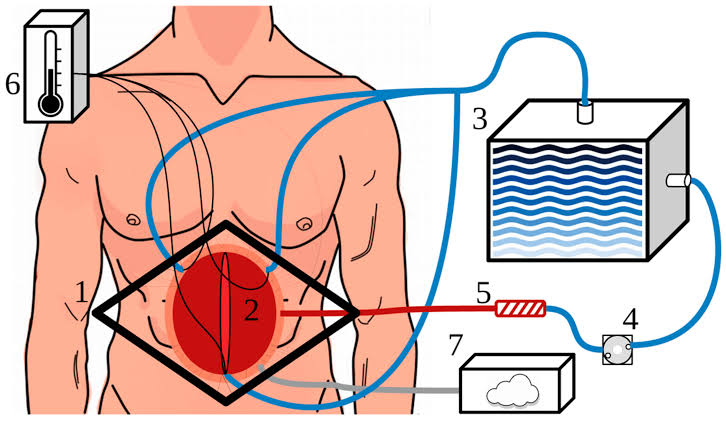
Heated Chemo Perfusion is a landmark cancer therapy aimed at focusing treatment on specific areas of the body. It is a specialised procedure that combines heated chemotherapy with surgery so that the treatment can be administered directly to the affected area.
Cancer Care Specialties is available to support innovative cancer treatments with expert specialists, up-to-date medical equipment, and attentive healthcare. Heated Chemo Perfusion is generally used for oncology patients with intra-peritoneal or regionally disseminated disease.
We aim to provide treatment options that enhance results while also ensuring patient comfort, recovery, and long-term support.
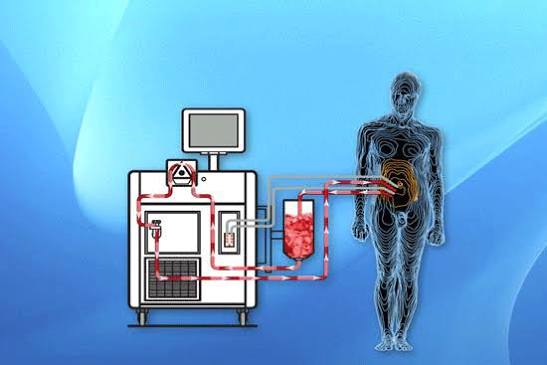
What Is Heated Chemo Perfusion?
Heated Chemo Perfusion, also called HIPEC (Hyperthermic Intraperitoneal Chemotherapy), involves bathing the cancer site in heated chemotherapy drugs after cancer masses are surgically removed. The heated chemotherapy is circulated within the abdominal cavity.
The heat enhances the action of the chemotherapeutic agent and improves its penetration into the cancer tissue. Since it is delivered directly to the affected area, the drug dose can be increased without significantly increasing overall organ toxicity.
This technique is increasingly being employed in selected advanced cancers where conventional chemotherapy alone may not be sufficient for local control.
Conditions Commonly Treated with Heated Chemo Perfusion
Heated Chemo Perfusion might be advisable in some cases involving cancers affecting the abdominal lining or nearby structures, such as:
- Peritoneal surface malignancies
- Appendix cancer
- Metastatic spread within the abdominal cavity
- Ovarian cancer
- Mesothelioma
- Selected gastric cancers
Each patient needs to be individually assessed to determine whether this type of treatment is appropriate for their condition.
How the Procedure Works
Treatment often consists of two stages.
Cytoreductive Surgery
Stage one involves surgically removing visible cancer tissue. The surgeon aims to remove as much tumor tissue as possible.
Heated Chemotherapy Circulation
Following surgery, the heated chemotherapy is circulated around the operative field for a predetermined period of time. The chemotherapy is heated to a specific temperature range in order to enhance the treatment effectiveness.
This combination enables specialists to directly target microscopic cancer cells that may remain after surgery.
Benefits of Heated Chemo Perfusion
In selected patients, the benefits of Heated Chemo Perfusion may include:
- Chemotherapy delivered directly to affected tissues
- Improved penetration of cancer-fighting medication
- Lower systemic exposure compared to standard chemotherapy
- Enhanced local cancer control
- A multimodal approach combining surgery and selective chemotherapy
The specialist will recommend a suitable treatment plan based on the patient’s diagnosis, stage of cancer, medical condition, and overall health.
Personalised Cancer Treatment Approach
Cancer Care Specialties designs an individual treatment plan for each new cancer case. Before making recommendations, our healthcare team carefully reviews all tests, scans, pathology reports, and the patient’s overall health condition.
We focus on:
- Comprehensive cancer evaluation
- Advanced surgical oncology support
- Modern treatment technologies
- Personalised recovery planning
- Patient-centred monitoring and follow-up care
Since cancer treatment can be physically and emotionally challenging, we believe strongly in providing continuous patient support.
Recovery and Follow-Up Care
Recovery after Heated Chemo Perfusion varies from patient to patient based on the complexity of the surgery as well as the overall health of the patient.
Patients are carefully monitored during recovery, and follow-up care may include:
- Imaging and laboratory evaluations
- Nutritional guidance
- Pain management support
- Oncology consultations
- Long-term treatment monitoring
Our team works closely with patients throughout every stage of care and recovery monitoring.
Book a Consultation
If you are interested in receiving additional information about Heated Chemo Perfusion or would like to speak to one of our experts regarding advanced cancer treatment options, we are happy to assist.
Cancer Care Specialties offers tailored cancer care, including cutting-edge treatment options and personalised support.
Contact Us
Phone: +971 50 788 5001
Phone: +971 54 452 8282
Phone: +964 773 380 1661
Frequently Asked Questions
What is Heated Chemo Perfusion?
Heated Chemo Perfusion is an innovative form of cancer therapy in which heated chemotherapy is introduced into the area within the body where the tumor has been removed.
Is Heated Chemo Perfusion the same as HIPEC?
Yes, HIPEC is one of the most common forms of Heated Chemo Perfusion used in the management of abdominal malignancies.
Which cancers can be treated with Heated Chemo Perfusion?
Possible indications include certain abdominal cancers such as colorectal metastases, ovarian cancer, mesothelioma, and appendix carcinoma.
Does the procedure replace standard chemotherapy?
It depends. Some patients may still require additional treatments, including standard chemotherapy, depending on the type and stage of their cancer.
Who is eligible for Heated Chemo Perfusion?
Eligibility depends on several factors, including the type of cancer, stage of disease, overall fitness, and specialist assessment.