
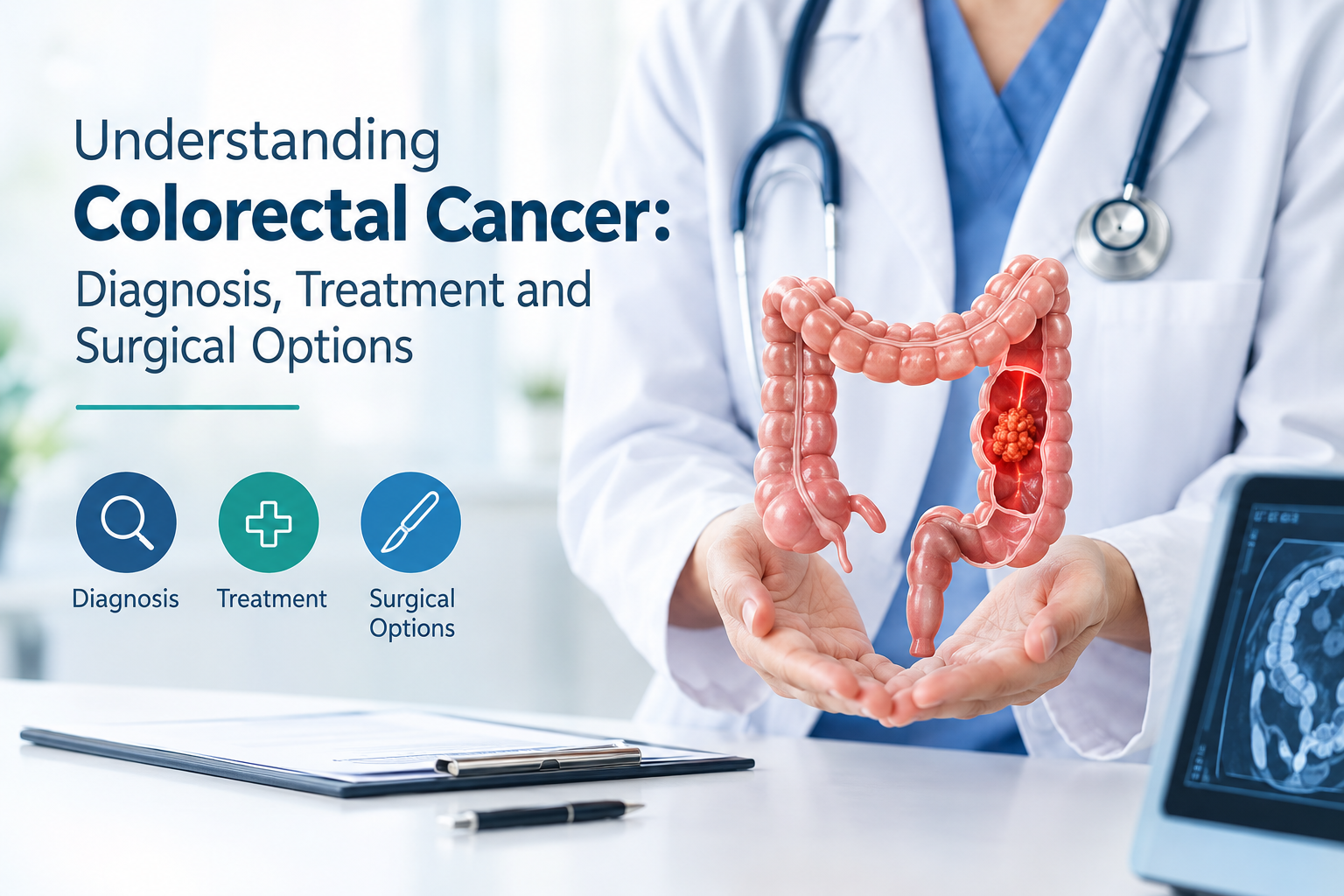
Colorectal cancer affects the colon or rectum and can develop gradually from abnormal growths called polyps. Early detection can make treatment planning more manageable and may provide more options for patients. This guide explains colorectal cancer diagnosis, treatment approaches, and the role of surgery, including what patients should know when seeking colorectal specialist Dubai services.
What Is Colorectal Cancer?
Colorectal cancer begins in the inner lining of the colon or rectum. Some colorectal cancers develop from polyps that change over time. Symptoms can vary depending on the location and stage of the disease.
Common warning signs may include:
- Persistent changes in bowel habits, such as diarrhea or constipation
- Blood in or on the stool
- Unexplained weight loss or ongoing fatigue
- Abdominal discomfort, cramps, or bloating
These symptoms can also occur with non-cancerous conditions. However, persistent or unusual symptoms should be discussed with a qualified medical professional.
Colorectal Cancer Diagnosis
An accurate colorectal cancer diagnosis usually begins with a medical history and physical examination. Depending on the symptoms and risk factors, a doctor may recommend investigations such as colonoscopy, imaging scans, blood tests, and tissue biopsy.
Colonoscopy allows the physician to examine the lining of the colon and rectum and remove certain polyps for laboratory assessment. A biopsy can confirm whether abnormal tissue contains cancer cells.
Further imaging may help determine whether the disease has spread and assist the medical team in developing an appropriate treatment plan.
Colorectal Cancer Treatment Options
Colorectal cancer treatment depends on several factors, including the location of the tumor, cancer stage, overall health, and individual circumstances. Treatment may involve one approach or a combination of therapies.
| Treatment approach | Main purpose |
| Surgery | Removes the tumor and surrounding tissue when appropriate |
| Chemotherapy | Uses medicines to destroy or control cancer cells |
| Radiation therapy | Uses targeted radiation, particularly in selected rectal cancers |
| Targeted or immunotherapy | May be considered for certain cancers based on tumor characteristics |
A multidisciplinary team may review the diagnosis and recommend a treatment strategy based on the patient’s specific condition.
Role of Colorectal Cancer Surgery
Colorectal cancer surgery can be an important part of treatment when the tumor can be removed safely. The type of operation depends on the tumor’s location, size, stage, and relationship with nearby structures.
Surgical procedures may include removing a section of the colon or rectum along with nearby lymph nodes. In some situations, minimally invasive techniques may be appropriate. These approaches use smaller incisions and specialized surgical instruments.
The surgical team evaluates each patient individually to determine whether colorectal cancer surgery is suitable and which technique may provide the appropriate balance between cancer control and preservation of normal function.
Choosing Colorectal Oncology Dubai Services
Patients researching colorectal oncology Dubai services may encounter different treatment pathways and specialist options. Choosing a center with access to appropriate diagnostic facilities, surgical expertise, oncology care, and multidisciplinary planning can help coordinate treatment.
A colorectal specialist Dubai team can assess symptoms, review diagnostic findings, explain treatment possibilities, and help patients understand whether surgery or another treatment approach may be appropriate.
Why Early Evaluation Matters
Early evaluation can help identify colorectal cancer before it progresses further. Screening is particularly important for people with increased risk because colorectal cancer can sometimes develop without obvious symptoms.
People should discuss screening recommendations with their healthcare provider, particularly when they have a family history, previous polyps, or other recognized risk factors.
When colorectal cancer is suspected, timely colorectal cancer diagnosis provides important information for treatment planning. Once the diagnosis is confirmed, doctors can determine the stage and evaluate the most suitable treatment pathway.
Preparing for Treatment
Before beginning colorectal cancer treatment, patients may undergo several assessments. These can include imaging, laboratory tests, pathology review, and evaluation of general health.
Patients may also want to discuss:
- The location and stage of the cancer
- Whether surgery is recommended
- Whether chemotherapy or radiation may be needed
- Possible benefits, risks, recovery time, and follow-up requirements
Understanding the treatment plan can help patients make informed decisions and prepare for recovery.
Follow-Up After Treatment
Follow-up remains an important part of colorectal cancer care. Depending on the individual’s diagnosis and treatment, follow-up may include physical examinations, blood tests, imaging, colonoscopy, and other assessments.
Regular monitoring allows the healthcare team to evaluate recovery and identify changes that may require further investigation. The exact follow-up schedule varies according to the patient’s condition and treatment history.
Conclusion
Understanding colorectal cancer diagnosis, treatment, and surgical options can help patients approach care with greater clarity. A confirmed colorectal cancer diagnosis provides the foundation for staging and treatment planning, while colorectal cancer treatment may involve surgery, chemotherapy, radiation, targeted therapy, or immunotherapy depending on individual circumstances. For people seeking colorectal oncology Dubai care, consultation with an experienced colorectal specialist Dubai team can help clarify available options. When appropriate, colorectal cancer surgery may play a central role in removing the tumor and supporting long-term cancer management.
Frequently Asked Questions
1. What are common symptoms of colorectal cancer?
Common symptoms include bowel habit changes, rectal bleeding, abdominal discomfort, fatigue, and unexplained weight loss.
2. How is colorectal cancer diagnosed?
Diagnosis may involve colonoscopy, biopsy, blood tests, and imaging. A tissue biopsy is generally needed to confirm cancer.
3. Is surgery always required for colorectal cancer?
Not always. Treatment depends on cancer stage, location, health, and tumor characteristics. Surgery may be recommended when the tumor can be removed.
4. Why is early colorectal cancer diagnosis important?
Early diagnosis can identify cancer before it advances and may provide more treatment options. Screening can also detect some precancerous polyps.