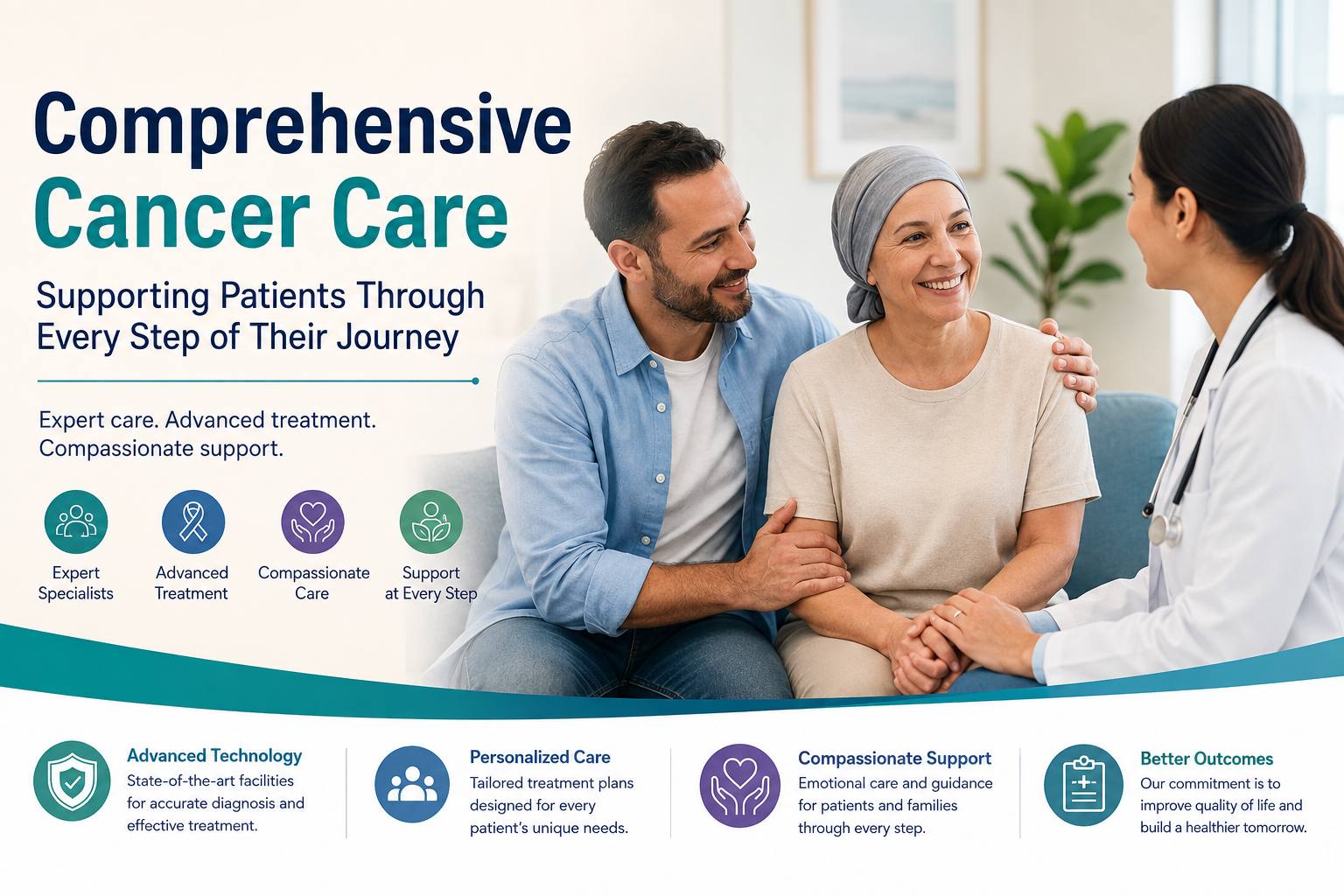
A cancer diagnosis can bring many questions, emotions, and challenges for patients and their families. During such times, access to expert medical care, advanced treatment options, and compassionate support becomes extremely important. At Cancer Care Specialties, the focus is not only on treating cancer but also on caring for the person behind the diagnosis.
Modern cancer treatment has evolved significantly over the years. Today, patients benefit from personalized treatment plans, advanced surgical techniques, targeted therapies, and a team-based approach that ensures the best possible outcomes. Every patient’s journey is unique, and comprehensive cancer care aims to provide support at every stage, from diagnosis to recovery.
The Importance of Early Detection
Early diagnosis plays a major role in improving cancer treatment outcomes. Regular health checkups, screenings, and timely medical consultation can help identify cancer in its early stages when treatment is often more effective.
Many cancers may not show noticeable symptoms during the initial stages. This is why awareness and preventive care are essential. Individuals should seek medical advice if they experience persistent symptoms such as unexplained weight loss, unusual lumps, prolonged fatigue, changes in bowel habits, or ongoing pain.
With advanced imaging, diagnostic tests, and expert evaluations, healthcare specialists can identify the condition accurately and create a treatment plan tailored to the patient’s needs.
A Multidisciplinary Approach to Cancer Care
Cancer treatment often involves several medical specialties working together. This collaborative approach ensures that patients receive complete and coordinated care.
A multidisciplinary team may include:
- Surgical oncologists
- Medical oncologists
- Radiation oncologists
- Pathologists
- Radiologists
- Nutrition experts
- Rehabilitation specialists
- Supportive care professionals
Each specialist contributes their expertise to create a personalized treatment strategy. This team-based approach helps patients receive the right treatment at the right time while improving both medical and emotional support.
Advanced Surgical Oncology
Surgery remains one of the most effective treatment options for many types of cancer. Advances in surgical technology have transformed cancer care, making procedures safer and reducing recovery times.
Modern surgical techniques often involve minimally invasive methods that can lead to:
- Smaller incisions
- Less pain after surgery
- Reduced hospital stay
- Faster recovery
- Better cosmetic outcomes
Specialized cancer surgeons use advanced techniques to remove tumors while preserving healthy tissues whenever possible. The goal is always to achieve the best treatment results while maintaining the patient’s quality of life.
Personalized Treatment Plans
No two cancer cases are exactly alike. Factors such as the type of cancer, stage of disease, overall health, and patient preferences all play a role in determining the most suitable treatment approach.
Personalized treatment plans may include:
- Surgery
- Chemotherapy
- Radiation therapy
- Immunotherapy
- Targeted therapies
- Supportive treatments
This individualized approach allows doctors to provide treatment that is both effective and aligned with the patient’s specific needs.
Emotional and Psychological Support
Cancer treatment affects more than physical health. Patients and families often face emotional stress, anxiety, and uncertainty throughout the treatment process.
Comprehensive cancer care includes emotional support services that help patients cope with these challenges. Counseling, patient education, family support, and wellness programs can make a significant difference in improving overall well-being.
Having access to compassionate care and clear communication helps patients feel informed and supported during every stage of treatment.
Rehabilitation and Recovery
Recovery does not end when treatment is completed. Rehabilitation services are an important part of the healing process.
These services may include:
- Physical therapy
- Nutritional guidance
- Pain management
- Lifestyle counseling
- Follow-up care
The goal of rehabilitation is to help patients regain strength, improve quality of life, and return to daily activities with confidence.
Regular follow-up appointments also allow healthcare teams to monitor recovery and address any concerns promptly.
The Role of Family Support
Family members play an essential role in a patient’s cancer journey. Emotional encouragement, practical assistance, and companionship can have a positive impact on recovery.
Healthcare providers often involve family members in discussions about treatment plans and care decisions. This collaborative approach helps create a strong support system for the patient.
Open communication between patients, families, and medical teams builds trust and contributes to better treatment experiences.
Looking Ahead with Hope
Advances in cancer care continue to improve outcomes and provide new treatment possibilities for patients around the world. Modern technologies, specialized expertise, and patient-centered care have transformed how cancer is treated.
The journey through cancer treatment can be challenging, but expert care, early diagnosis, and comprehensive support can make a meaningful difference. By combining medical excellence with compassion, healthcare teams help patients move forward with confidence and hope.
At Cancer Care Specialties, the commitment remains focused on providing high-quality cancer care that addresses both the physical and emotional needs of every patient. With expert specialists and advanced treatment options, patients receive the support they need throughout every stage of their journey.
Frequently Asked Questions
1. Why is early cancer detection important?
Early detection allows treatment to begin sooner, often leading to better outcomes and more treatment options.
2. What is a multidisciplinary cancer care approach?
It is a team-based method where specialists from different medical fields work together to create a personalized treatment plan.
3. Are modern cancer surgeries less invasive?
Many cancer surgeries today use minimally invasive techniques, which can reduce pain and speed up recovery.
4. Does cancer care include emotional support?
Yes, comprehensive cancer care often includes counseling, patient education, and emotional support services.
5. Why are follow-up appointments necessary?
Regular follow-ups help monitor recovery, manage side effects, and detect any concerns at an early stage.