
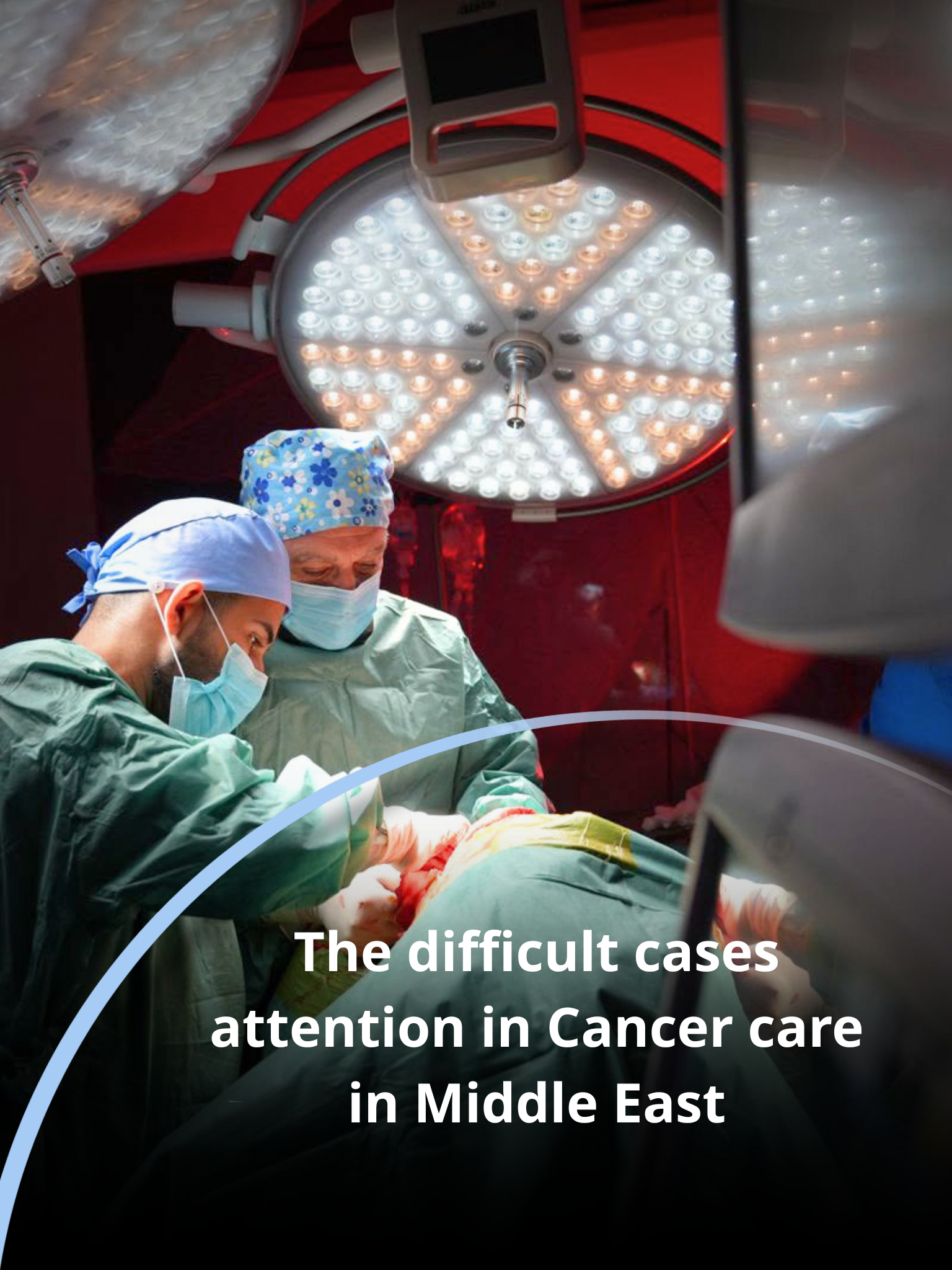
Treating cancer is never simple, especially when patients are diagnosed with advanced or complex conditions. These cases often require more than one treatment approach and the expertise of specialists from different medical fields. Across the Middle East, the demand for comprehensive cancer care continues to grow, making multidisciplinary treatment an essential part of achieving better patient outcomes.
At Cancer Care Specialties, every complex cancer case is carefully evaluated by experienced specialists who work together to provide personalized treatment plans. This team based approach helps patients receive the right care at the right time while improving both treatment outcomes and quality of life.
Understanding Complex Cancer Cases
Some cancers are more challenging to treat because they have spread to nearby organs, involve multiple body systems, or require highly specialized surgery. These cases demand careful planning and close collaboration between surgeons, oncologists, radiologists, pathologists, and other healthcare professionals.
Each patient’s condition is different, which is why no single treatment plan works for everyone. Personalized care ensures that treatment is tailored to the individual’s diagnosis, medical history, and overall health.
The Importance of a Multidisciplinary Team
Managing difficult cancer cases requires the knowledge and experience of several specialists working together. A multidisciplinary team reviews every aspect of the patient’s condition before deciding on the most effective treatment strategy.
This collaborative approach offers several advantages:
- Accurate diagnosis
- Personalized treatment planning
- Better coordination between specialists
- Faster treatment decisions
- Improved patient outcomes
By combining expertise from different medical disciplines, patients receive comprehensive care throughout every stage of treatment.
Advanced Surgical Care for Complex Cases
Many advanced cancers require highly specialized surgical procedures. Modern surgical techniques allow doctors to treat complex tumors with greater precision while protecting healthy tissues whenever possible.
Minimally invasive procedures are recommended whenever suitable, helping patients benefit from:
- Smaller incisions
- Less pain after surgery
- Faster recovery
- Shorter hospital stays
- Lower risk of complications
Advanced technology and experienced surgical teams play an important role in improving patient safety during complex cancer operations.
Personalized Treatment Beyond Surgery
Surgery is only one part of cancer treatment. Depending on the diagnosis, patients may also require chemotherapy, immunotherapy, targeted therapy, radiation therapy, or a combination of treatments.
Every treatment plan is developed after careful discussion among specialists to ensure that patients receive the most appropriate care for their specific condition. Continuous monitoring allows doctors to adjust treatment whenever necessary.
Supporting Patients Throughout Their Journey
Complex cancer treatment can be physically and emotionally demanding. Patients often need ongoing support from healthcare professionals, family members, and caregivers throughout their recovery.
Comprehensive cancer care includes regular follow up appointments, nutritional guidance, pain management, rehabilitation, and emotional support. These services help patients regain strength, manage treatment side effects, and improve their overall quality of life.
Clear communication is also essential. Patients who understand their diagnosis and treatment options often feel more confident and actively participate in their care decisions.
Excellence in Cancer Care Across the Middle East
The Middle East has made significant progress in providing advanced cancer care through modern hospitals, experienced specialists, and innovative medical technology. Patients with complex cancer cases now have access to internationally recognized treatment standards without needing to travel far from home.
At Cancer Care Specialties, experienced multidisciplinary teams work together to provide personalized care for even the most challenging cancer cases. Every patient receives compassionate support, advanced treatment options, and continuous follow up designed to achieve the best possible outcomes.
Conclusion
Managing difficult cancer cases requires expertise, teamwork, and a patient centered approach. Through advanced diagnostics, specialized surgery, and personalized treatment plans, patients can receive comprehensive care tailored to their individual needs. Cancer Care Specialties remains committed to delivering high quality cancer care by combining medical excellence with compassion, helping patients across the Middle East face complex cancer with confidence and hope.
FAQs
1. What makes a cancer case complex?
A cancer case is considered complex when the disease is advanced, has spread to other organs, has returned after treatment, or requires multiple treatment methods such as surgery, chemotherapy, radiation therapy, or targeted therapy. These cases often need the expertise of a multidisciplinary medical team.
2. Why is a multidisciplinary team important for cancer treatment?
A multidisciplinary team includes surgeons, medical oncologists, radiation oncologists, radiologists, pathologists, and specialized nurses who work together to develop a personalized treatment plan. This collaborative approach helps improve diagnosis, treatment decisions, and patient outcomes.
3. Can complex cancer cases be treated successfully?
Yes. Many complex cancer cases can be effectively managed with early diagnosis, advanced medical technology, specialized surgical techniques, and personalized treatment plans. Success depends on the type and stage of cancer as well as the patient’s overall health.
4. What are the benefits of minimally invasive cancer surgery?
Minimally invasive surgery offers several advantages, including smaller incisions, less pain, reduced blood loss, shorter hospital stays, faster recovery, and a quicker return to normal daily activities when appropriate for the patient’s condition.
5. Why is follow-up care important after complex cancer treatment?
Follow-up care helps monitor recovery, detect any signs of cancer recurrence, manage treatment side effects, and support long-term health. Regular checkups also allow specialists to adjust care plans and provide ongoing guidance for patients and their families.