
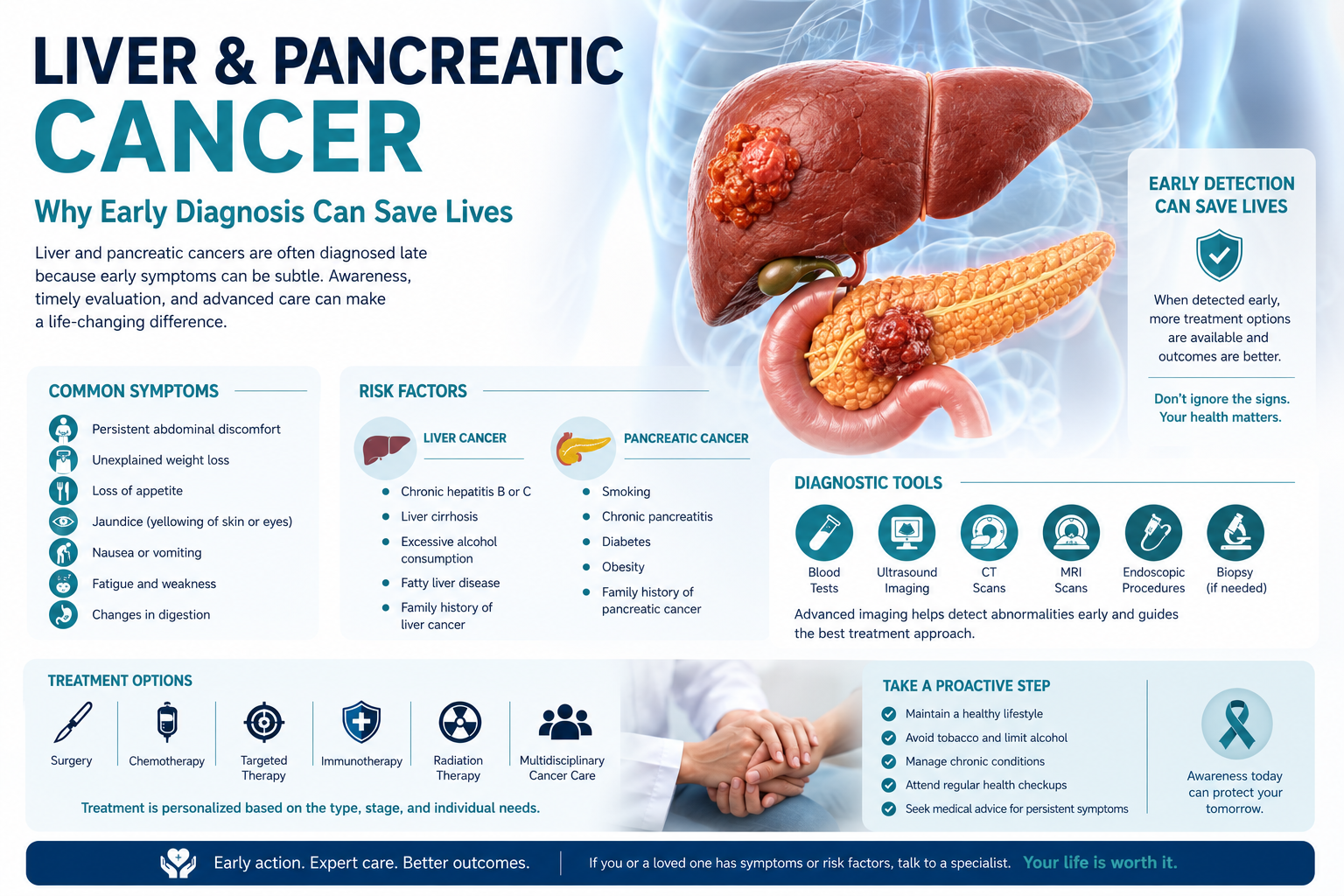
In a recent educational video, Dr. Sadir Juma Alrawi discusses an important health topic that often goes unnoticed until symptoms become severe—liver and pancreatic cancer. These cancers can be challenging to detect in their early stages because the symptoms are often vague or mistaken for other digestive conditions.
The liver and pancreas play essential roles in digestion, metabolism, and overall health. When cancer develops in either organ, it can affect many bodily functions and significantly impact a patient’s quality of life. However, advances in modern cancer care have improved treatment options and outcomes, especially when the disease is identified early.
Why These Cancers Are Often Diagnosed Late
One of the biggest challenges with liver and pancreatic cancers is that early symptoms may be subtle. Many patients do not experience noticeable signs until the disease has progressed.
Common symptoms may include:
- Persistent abdominal discomfort
- Unexplained weight loss
- Loss of appetite
- Fatigue and weakness
- Jaundice (yellowing of the skin and eyes)
- Changes in digestion
- Nausea or vomiting
Because these symptoms can be associated with many other conditions, people may delay seeking medical advice. This is why awareness and timely evaluation are so important.
Risk Factors to Be Aware Of
Several factors can increase the risk of developing liver or pancreatic cancer. While having a risk factor does not guarantee cancer will occur, understanding these risks can help individuals take preventive measures and seek appropriate screening when necessary.
Liver Cancer Risk Factors
- Chronic hepatitis B or hepatitis C infection
- Liver cirrhosis
- Excessive alcohol consumption
- Fatty liver disease
- Family history of liver cancer
Pancreatic Cancer Risk Factors
- Smoking
- Chronic pancreatitis
- Diabetes
- Obesity
- Family history of pancreatic cancer
Individuals with these risk factors should discuss screening and monitoring options with their healthcare providers.
The Importance of Early Detection
Early diagnosis remains one of the most important factors in improving treatment outcomes. When liver or pancreatic cancer is detected at an earlier stage, more treatment options may be available.
Diagnostic tools commonly used include:
- Blood tests
- Ultrasound imaging
- CT scans
- MRI scans
- Endoscopic procedures
- Biopsy when necessary
Modern imaging technologies allow specialists to identify abnormalities more accurately and develop personalized treatment plans for each patient.
Treatment Options Continue to Advance
Cancer treatment has evolved significantly over the past decade. Depending on the type and stage of the cancer, treatment may involve:
- Surgery
- Chemotherapy
- Targeted therapy
- Immunotherapy
- Radiation therapy
- Multidisciplinary cancer care
Specialized cancer centers often bring together surgeons, oncologists, radiologists, and other healthcare professionals to provide comprehensive care tailored to each patient’s needs.
Taking a Proactive Approach to Your Health
Although not all cancers can be prevented, healthy lifestyle choices can help reduce risk. Maintaining a balanced diet, avoiding tobacco use, limiting alcohol consumption, managing chronic medical conditions, and attending regular health checkups can all contribute to better long-term health.
Final Thoughts
As highlighted by Dr. Sadir Juma Alrawi in the video, awareness is one of the strongest tools in the fight against liver and pancreatic cancer. Recognizing symptoms early, understanding risk factors, and seeking prompt medical evaluation can make a significant difference.
If you experience persistent digestive symptoms, unexplained weight loss, or any concerning changes in your health, consulting a specialist may help ensure timely diagnosis and appropriate treatment. Early action remains one of the most effective ways to improve outcomes and support a healthier future.